



Why Vinyl Siding Is a Rare Choice in Fremont and the Tri-City Area
Home Improvement Payback Guide, part 6 of 21
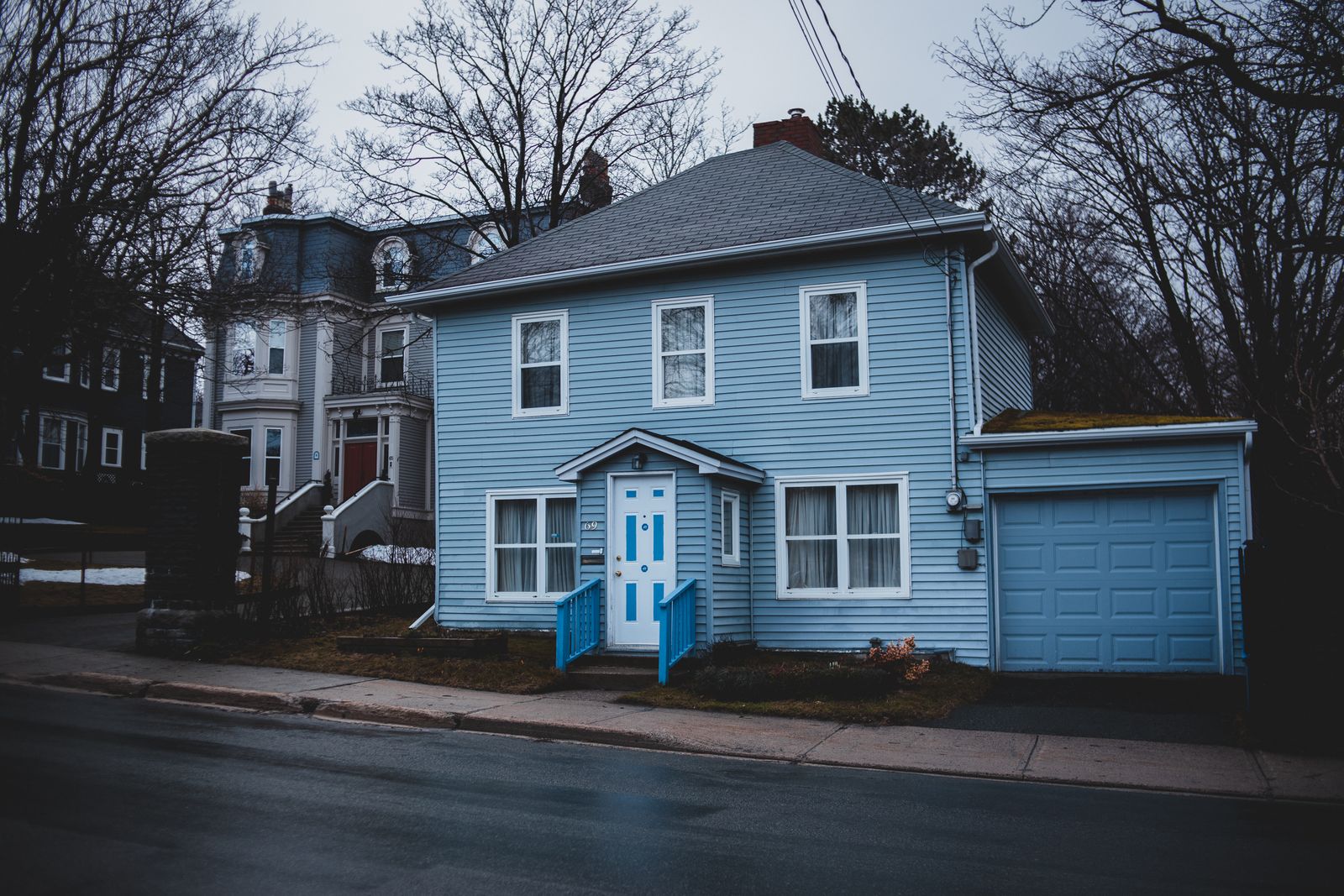
Illustrative photo, not a Bay Area property. Photo from Pexels.
New siding can make a tired house look ten years younger from the curb. But if you are thinking about selling, the real question is simple. Does the money you put into vinyl siding come back to you at the closing table, or does most of it stay on the walls?
The short answer: vinyl siding does better than most projects, but it still does not pay for itself. It ranked number 6 of the 20 projects this guide covers, returning about 68 cents back for every dollar you spend, on average. And here in the Tri-City area, there is a bigger twist. Vinyl siding barely exists in our market at all.
The job cost
$16,576
Back at resale
$11,315
The gap you absorb
$5,261
Cents back per dollar
68 cents
Numbers above are 2021 national averages from the Cost vs. Value study. They are a ranking guide, not a quote for your home.
What you spend, and what comes back at resale
The study prices one very specific siding job.
Before you compare your contractor's quote to any study number, know exactly what job the study priced. It is not a whole-house makeover. The studied project is:
- Removing and replacing 1,250 square feet of existing siding
- Installing new vinyl siding in its place
- Adding new trim pieces to finish the look
That is it. No new windows, no paint on the rest of the house, no structural repairs. If your home needs more than that, your real cost will be higher than the study's number.
The 2021 numbers show a real gap at resale.
In the 2021 national Cost vs. Value study, this vinyl siding job cost $16,576 on average. At resale, it brought back about $11,315. That leaves a gap of $5,261 that the seller absorbs, which works out to about 68 cents back for every dollar you spend. Keep in mind these are national averages, and Bay Area quotes usually run higher than national job costs.
The same 2021 national study set up a head to head matchup worth knowing. Vinyl cost less than fiber cement ($16,576 vs $19,626), but it returned a smaller share of its cost (68.3 percent vs 69.4 percent). Siding is the one matchup in the study where the pricier option won. That detail matters a lot around here, as you will see below.
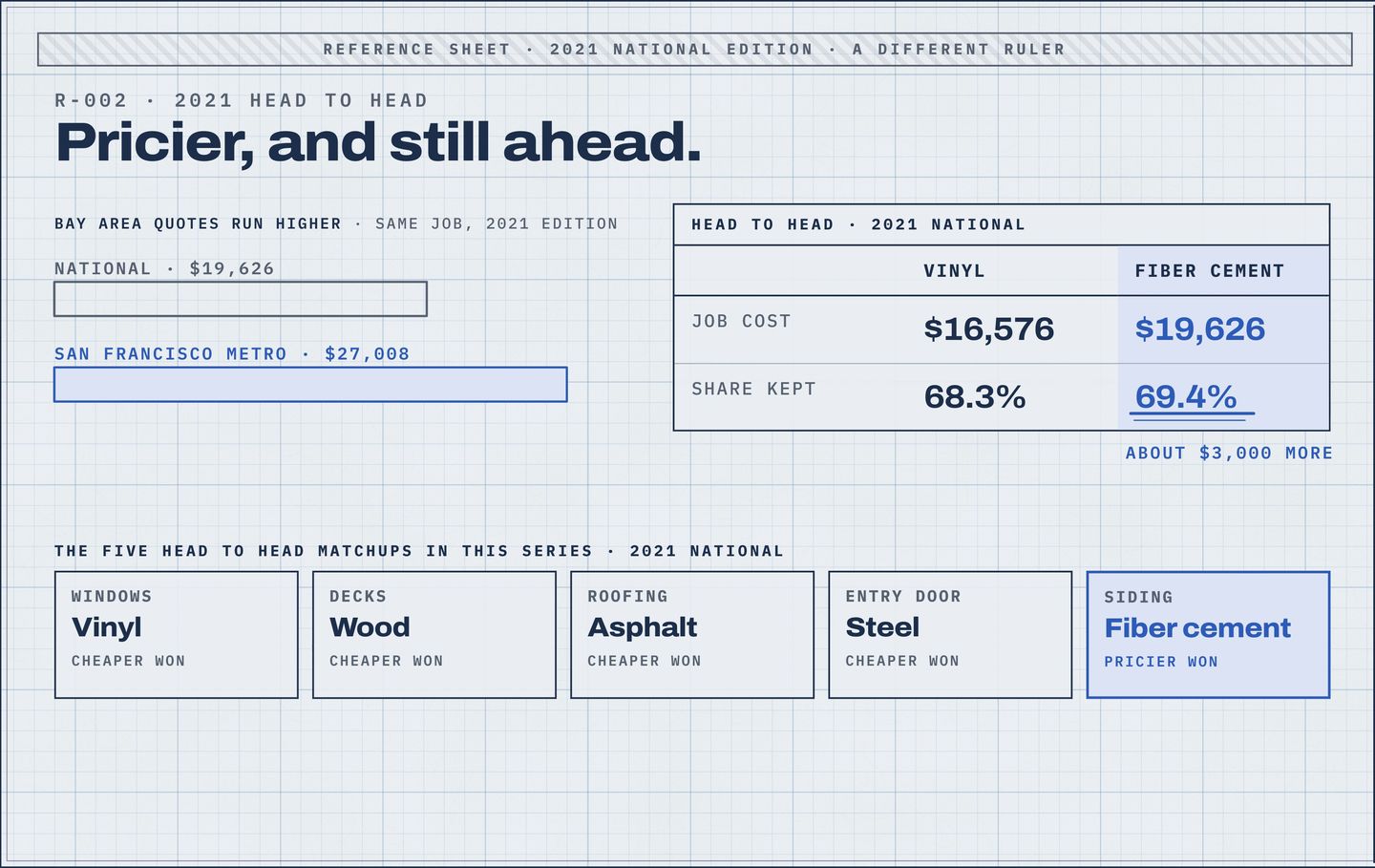
A drawing sheet from my fiber cement siding video, 2021 national averages: fiber cement cost 19,626 dollars to vinyl's 16,576, about 3,000 dollars more, and still kept a larger share of its cost at resale, 69.4 percent to 68.3. Of the five head to head matchups in this series, it is the only one the pricier option won. Drawn in code from the published averages, not the studied project.
The 2025 metro numbers look a little friendlier.
In the 2025 Cost vs. Value report for the San Francisco metro area, the same vinyl siding job runs $19,844 and brings back about $15,803 at resale. Fremont, Newark and Union City all sit inside that metro. The gap shrinks to $4,041, which is about 80 cents back for every dollar you spend. One important caution before you get excited: the report changed how it measures between 2021 and 2025, so the two years cannot be compared to each other. The 2025 figure is not proof that siding got more profitable. It is a different yardstick.
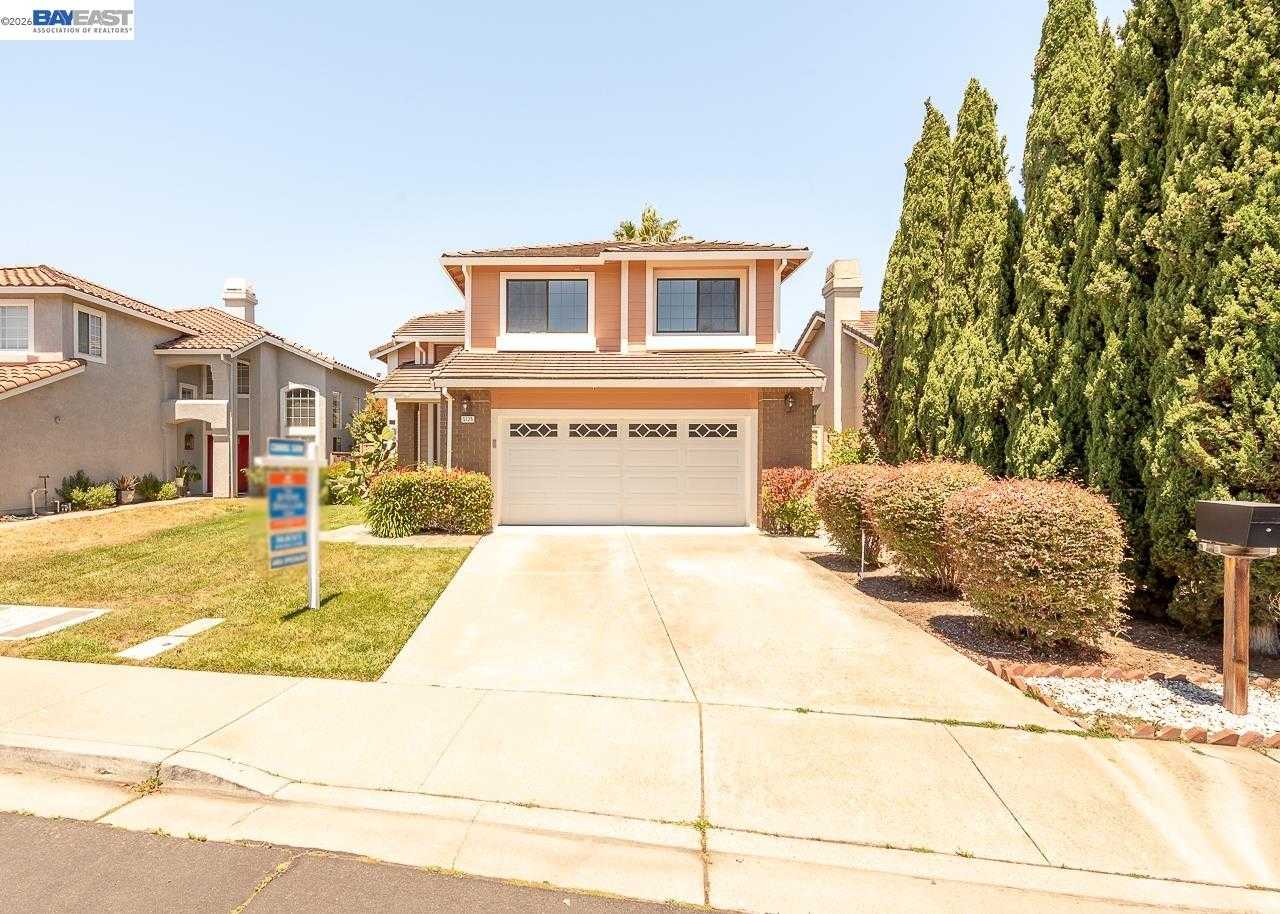
Here is the catch: this is stucco country.
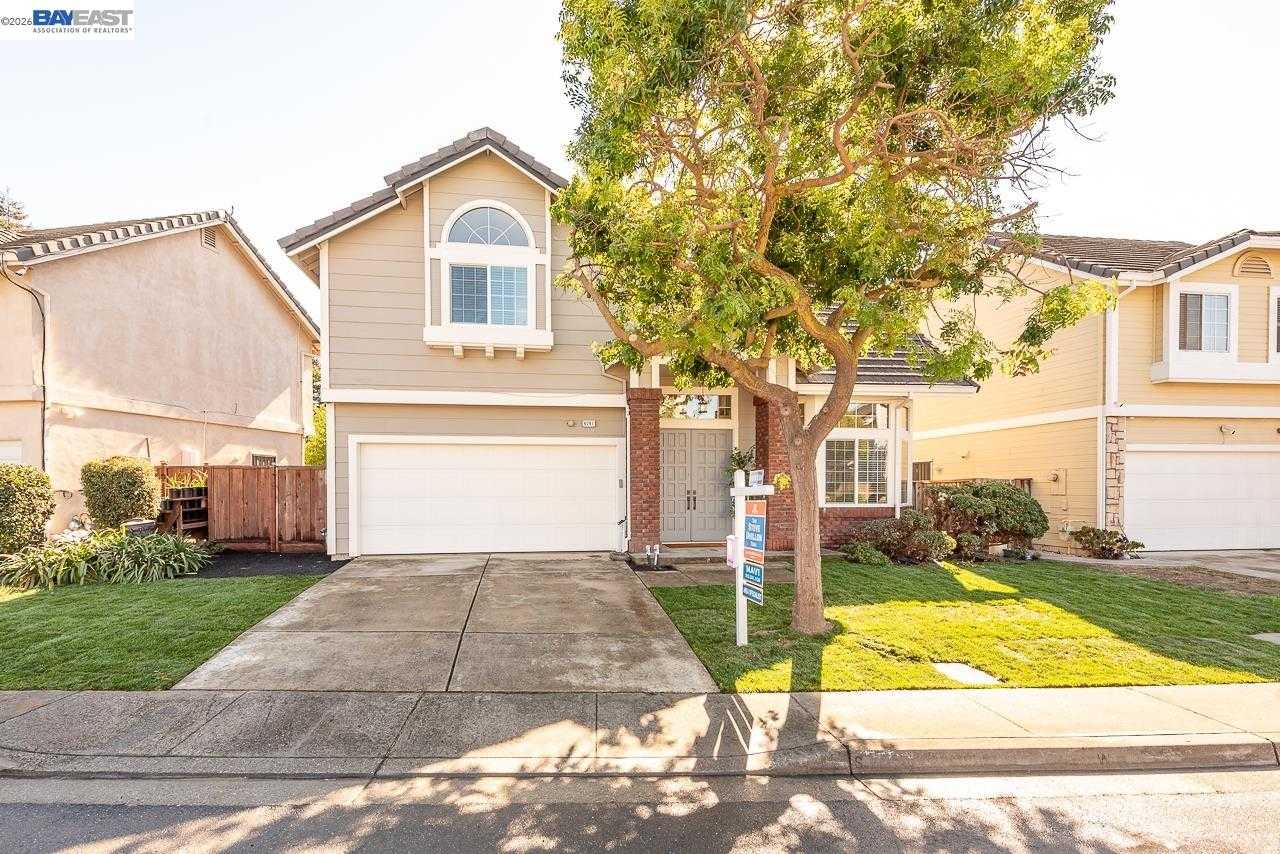
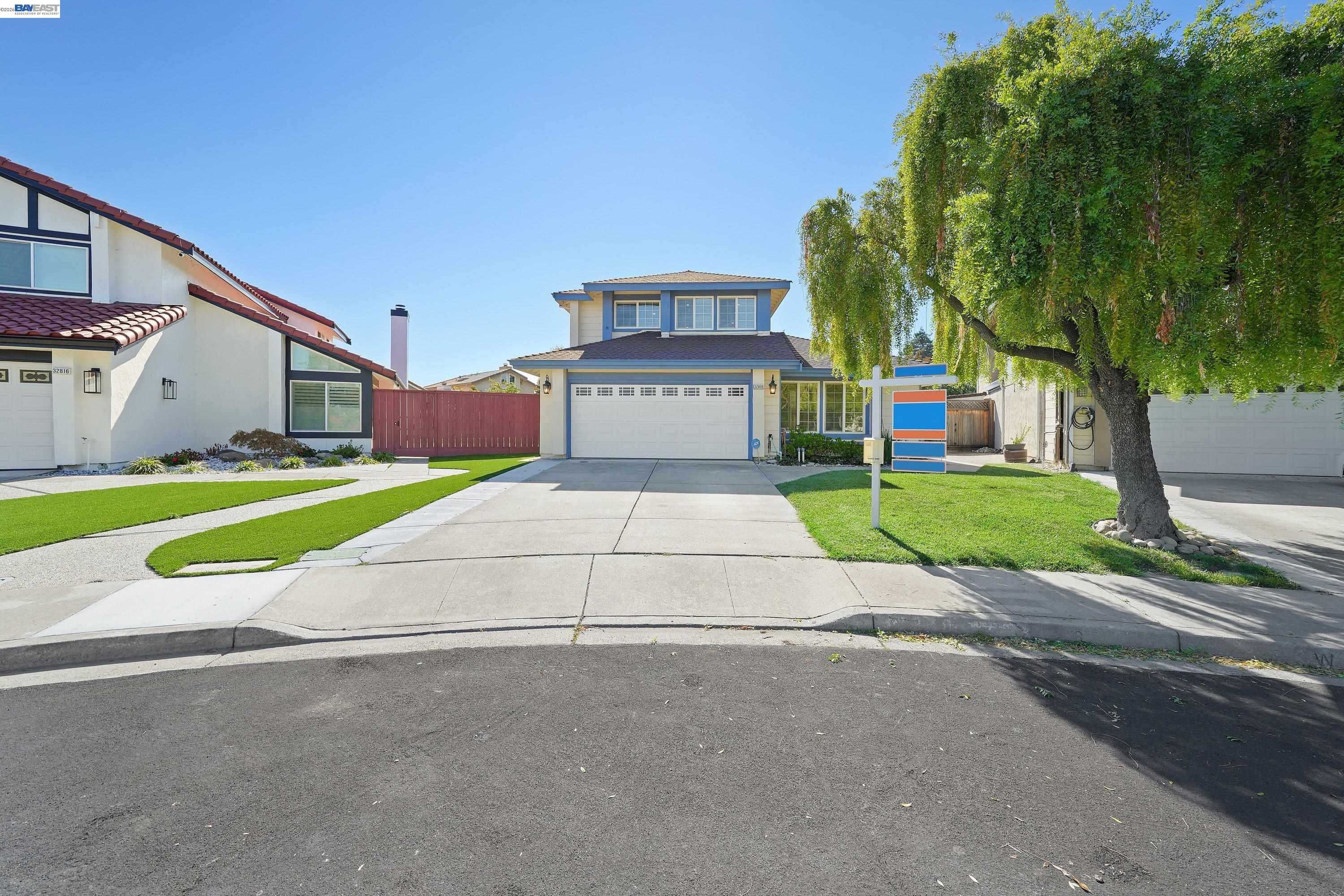
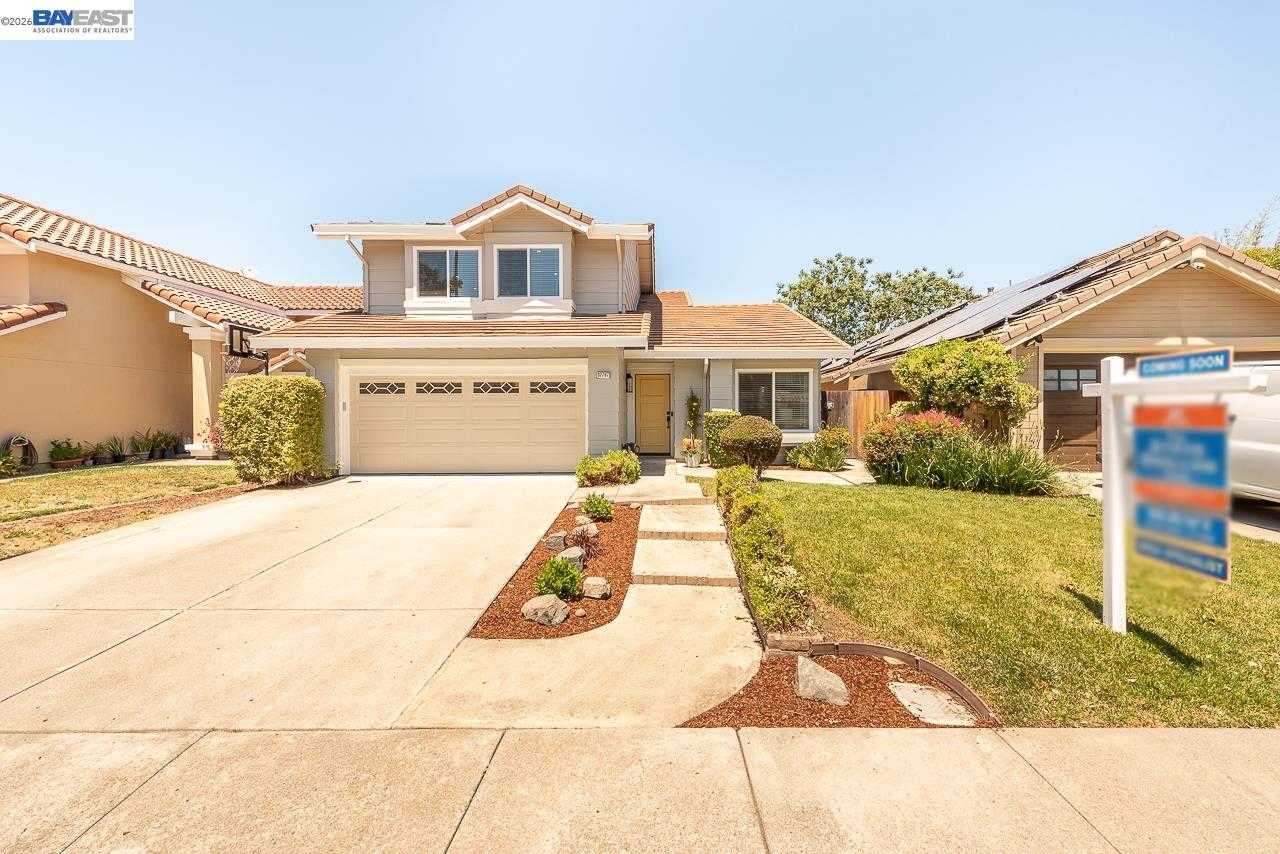
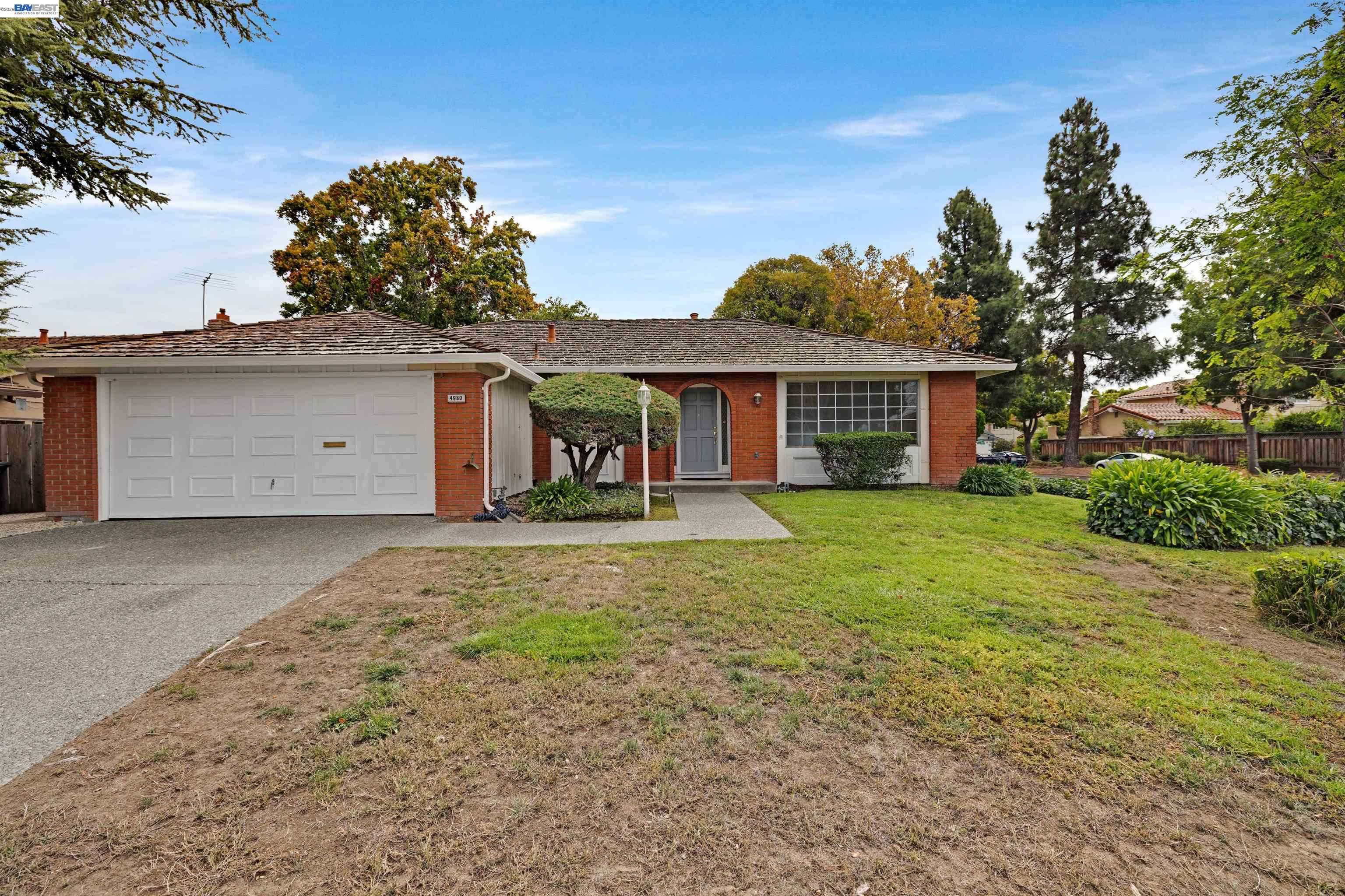
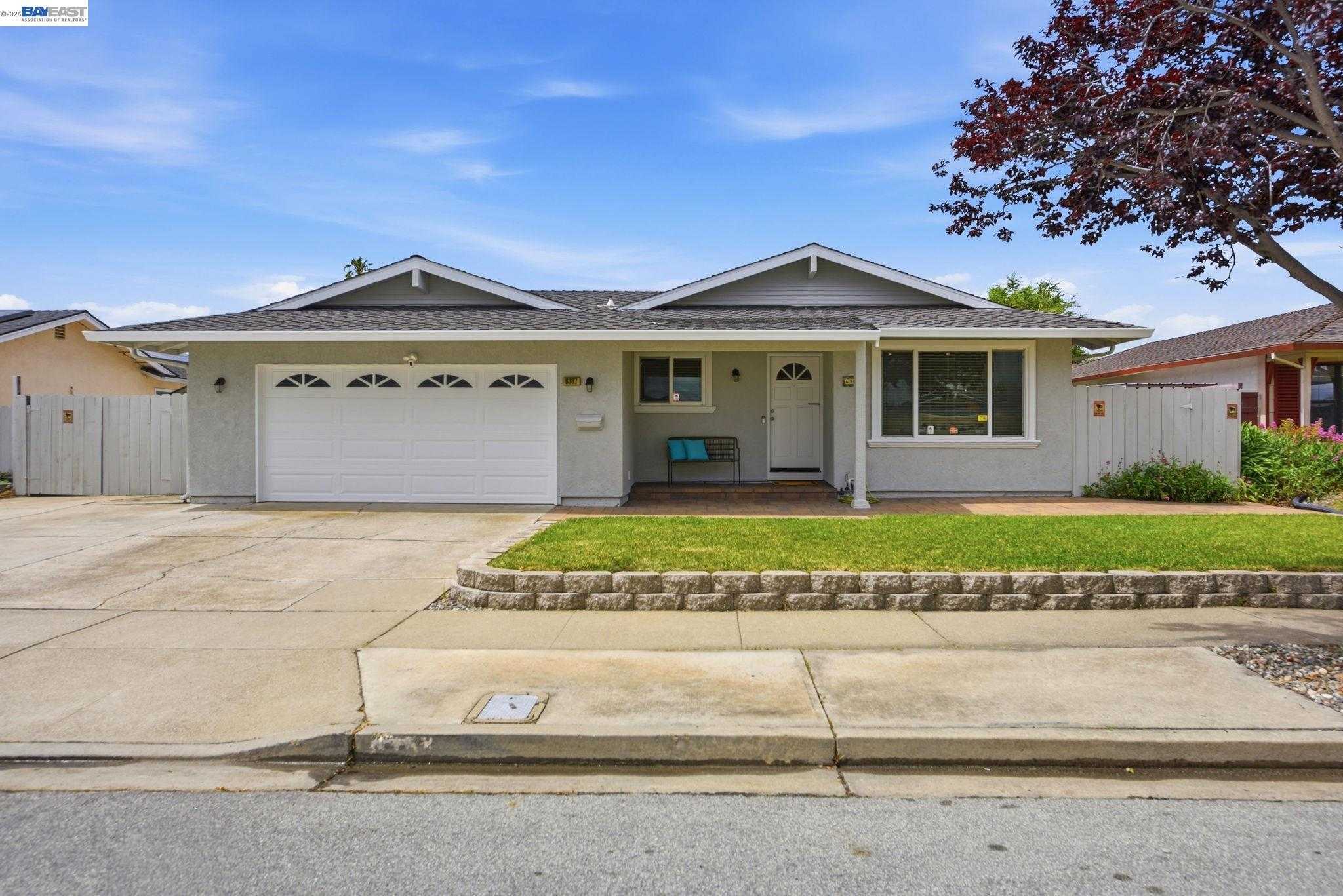
Vinyl siding is the number one siding choice across the country, and it is nearly absent in the Tri-City market. Fremont, Newark and Union City are stucco country, so a vinyl-clad house can actually stand out in the wrong way next to its neighbors. There is a safety rule in play too. In mapped fire hazard zones, California's wildfire building rules set the standard for exterior walls. Those rules were Chapter 7A of the building code until January 1, 2026, and now live in the California Wildland-Urban Interface Code. Vinyl melts and burns, so on its own it generally does not qualify there; it usually needs a compliant wall assembly behind it, such as 5/8 inch Type X gypsum sheathing. If new siding is on your list here, fiber cement is the conversation to have with your contractor, not vinyl.
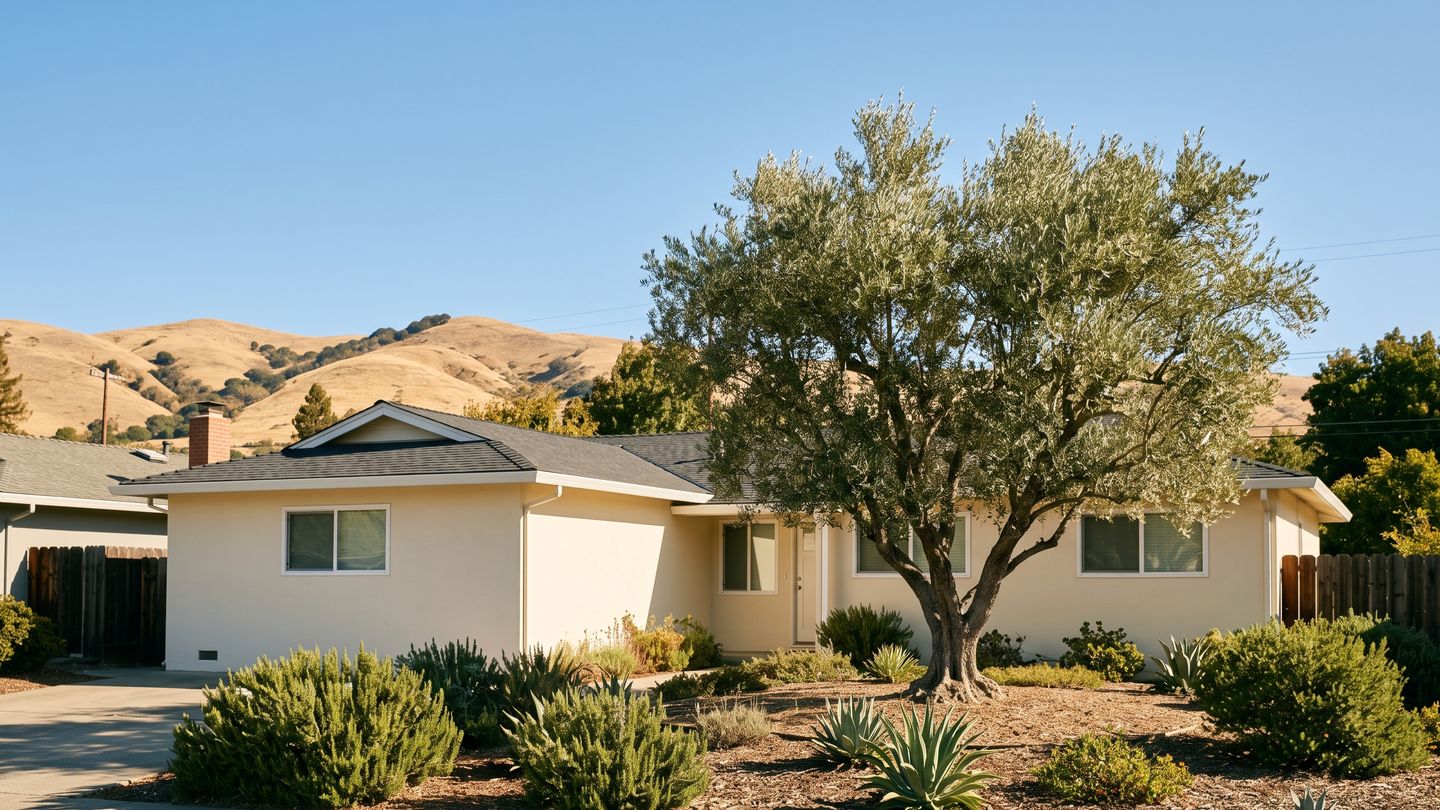
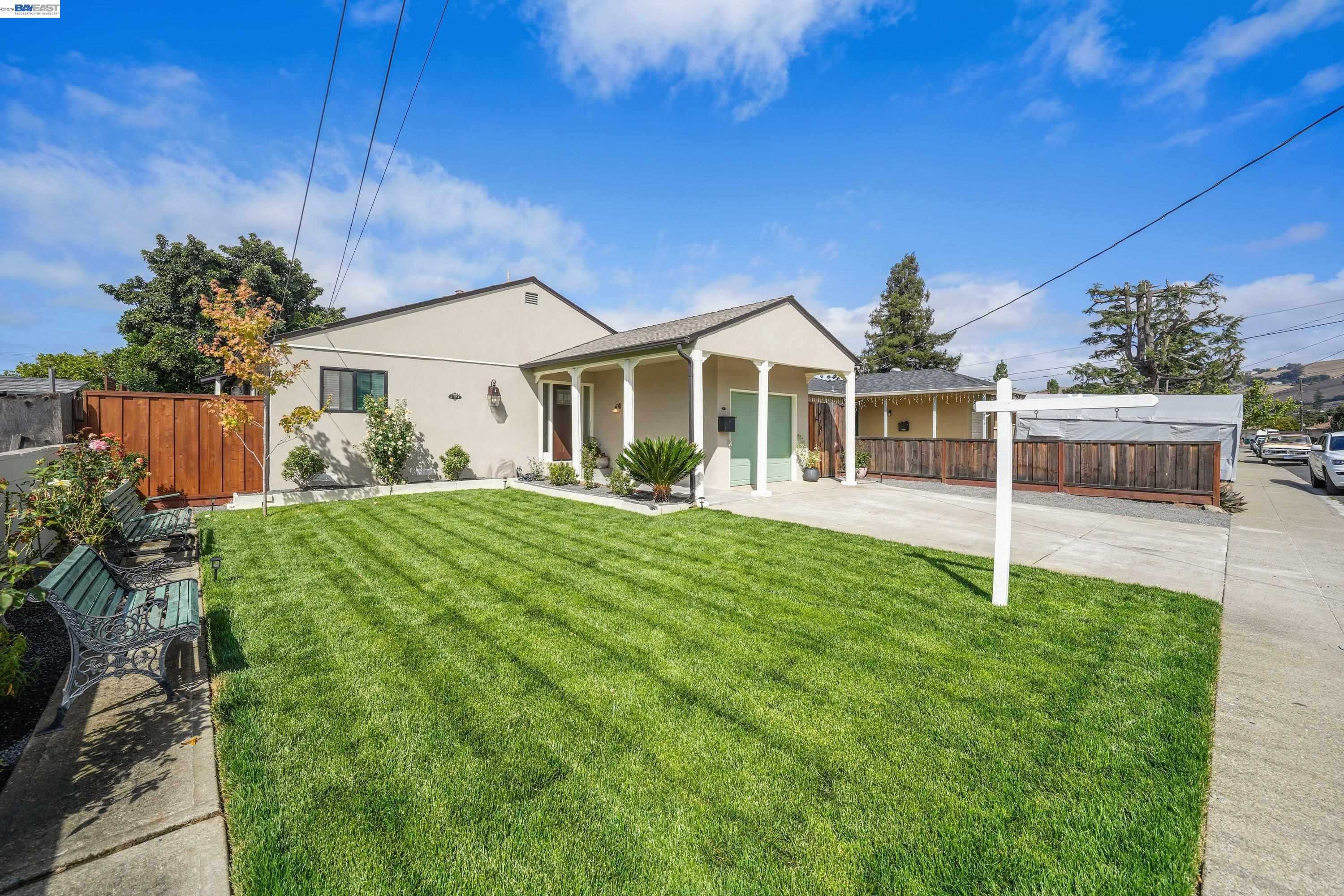
AI illustration from my fiber cement siding video: a cream stucco ranch under golden hills, the kind of house most Tri-City streets are built from. Vinyl clad homes are the exception here. Not a photo of a real home.
Exterior projects earn their keep when you sell soon.
The general rule of thumb: exterior projects like siding do their best work when a sale is close. Buyers judge the outside of your home from the curb, before they ever step inside. Interior projects are the ones you do for the years you live there. So if siding genuinely needs replacing and you plan to sell soon, fixing it first is usually the right call. Just start early. Siding work takes time to line up, between contractor schedules and material orders, so do not wait until the month you want to list.
The honest bottom line for our area: if your Fremont, Newark or Union City home is stucco and the stucco is sound, skip the siding project entirely. Put that money into paint, landscaping, or repairs buyers will actually expect.
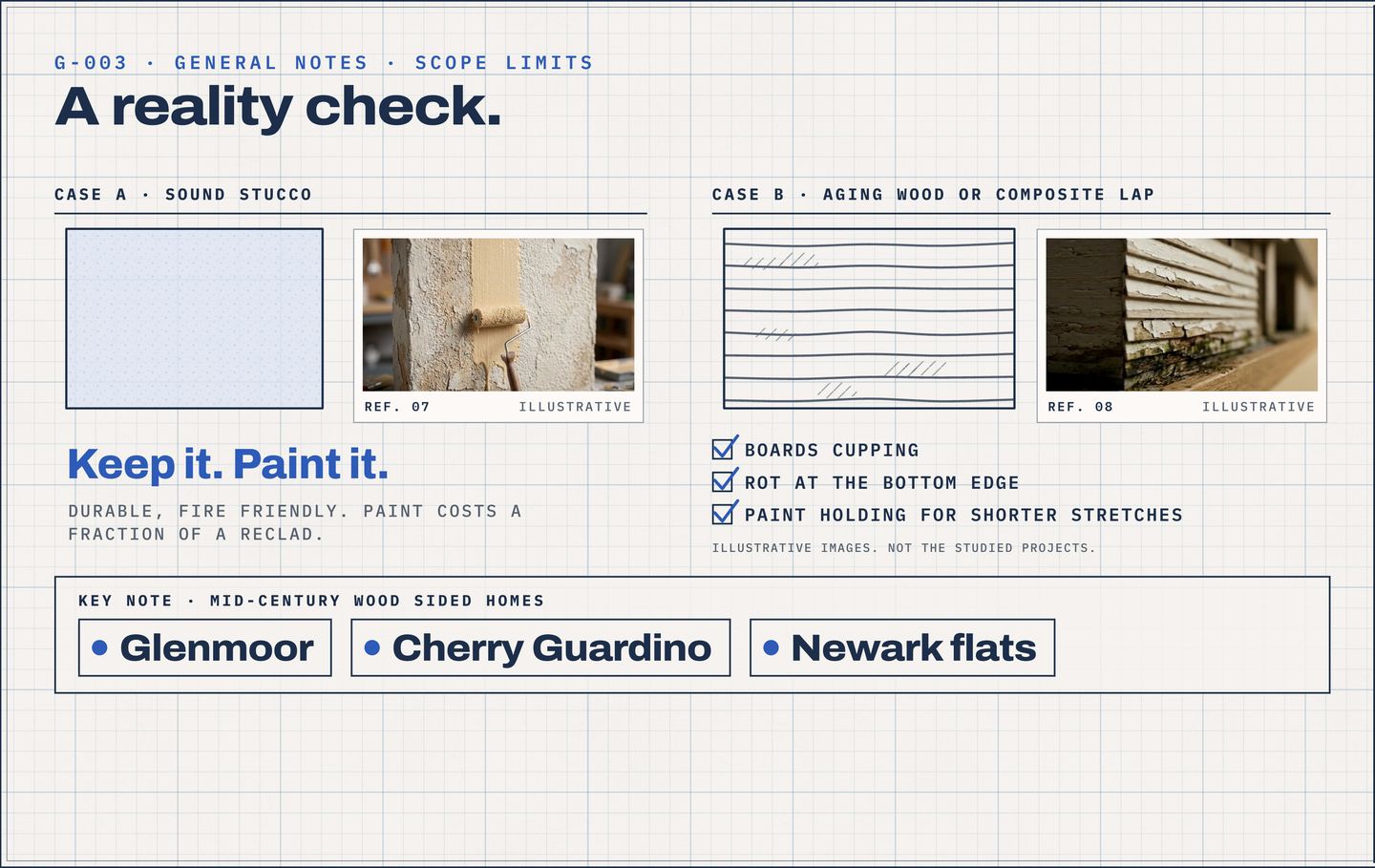
A drawing sheet from my fiber cement siding video: sound stucco is already durable and fire friendly, so keep it and paint it, for a fraction of the cost of a reclad. The reclad conversation is for aging wood or composite lap siding, with boards cupping, rot at the bottom edge and paint holding for shorter stretches. Drawn in code; the two small pictures are stills from a NotebookLM video, not the studied projects.
Questions homeowners ask
Does new vinyl siding increase home value?
It helps, but it does not pay for itself. In the 2021 national Cost vs. Value study, a vinyl siding job costing $16,576 brought back about $11,315 at resale. That is about 68 cents back for every dollar you spend, on average. Those are national averages from a study, not a quote for your house, and Bay Area prices usually run higher than national job costs.
Is vinyl siding allowed in California wildfire zones?
Usually not on its own. In mapped fire hazard zones, California's wildfire building rules, Chapter 7A of the building code until January 1, 2026 and now the California Wildland-Urban Interface Code, set the standard for exterior walls. Vinyl melts and burns, so it generally needs a compliant wall assembly behind it, such as 5/8 inch Type X gypsum sheathing, before it can pass. That is one reason vinyl is so rare in the Tri-City area. Homeowners in these zones typically look at fiber cement siding instead.
What does siding replacement cost in the Bay Area right now?
The 2025 Cost vs. Value report for the San Francisco metro area prices the vinyl siding job at $19,844 with about $15,803 coming back at resale. That is roughly 80 cents back per dollar spent, and the metro includes Fremont, Newark and Union City. Note that the report changed how it measures between 2021 and 2025, so this figure cannot be compared with older editions. Your own quote will depend on your home's size and condition.
More from this guide
- Every guide in one place: the Home Improvements page
- Start here: all twenty projects, ranked
- Part 5: Do Vinyl Replacement Windows Pay You Back When You Sell?
- Part 7: Wood Windows or Vinyl? What Bay Area Sellers Should Weigh First
- Part 4: Fiber Cement Siding in the Bay Area: What It Costs and What Comes Back
- Part 12: A New Asphalt Shingle Roof Before You Sell: What Bay Area Owners Should Know
See the full charts and payback calculator →
Thinking about selling in the next year or two?
The remodel conversation belongs 6 to 12 months before you list, while every option is still open. Start with what your home is worth today, then decide what, if anything, is worth doing.
Or just ask. Call or text Harv at 510 600 3425.
Cost and resale figures are from the Cost vs. Value Report, © Zonda Media, LLC (2021 national edition and 2025 San Francisco metro edition, costvsvalue.com), deemed reliable but not guaranteed. They are averages for the specific projects studied and are not an estimate or a prediction for any specific property. The 2021 and 2025 editions measure differently and are not comparable to each other. Prepared by Harv Balu, REALTOR®, GRI, CIPS, PSA, FTBS. REALTY EXPERTS®, DRE #02195792. Call or text 510 600 3425. Equal Housing Opportunity.