



Composite Deck or Wood Deck? The Resale Math for Bay Area Homes
Home Improvement Payback Guide, part 10 of 21
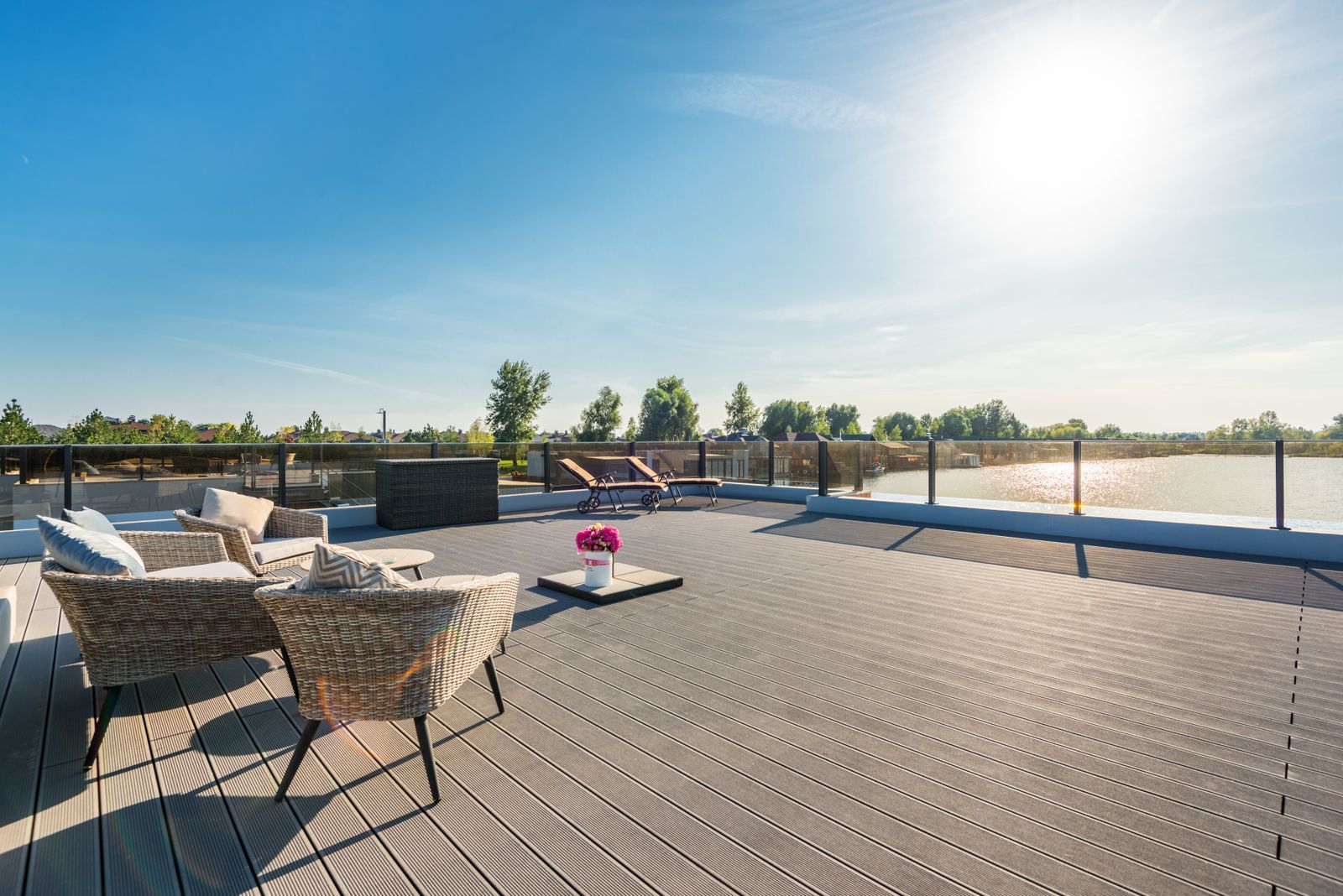
Illustrative photo, not a Bay Area property. Photo from Pexels.
A deck is one of those projects you can picture right away: summer dinners outside, kids running in and out, a quiet coffee on a Saturday morning. Then the quotes come in, and the question changes. If you spend real money on a composite deck, will you see any of it again when you sell your home?
The short answer: some of it, but not all of it. In the 2021 national Cost vs. Value study, a composite deck ranked number 10 of the 20 projects this guide covers, returning about 63 cents for every dollar you spend. Below we walk through the national numbers, the newer San Francisco metro numbers, and a California wrinkle that matters if you live in a condo or an HOA.
The job cost
$22,426
Back at resale
$14,169
The gap you absorb
$8,257
Cents back per dollar
63 cents
Numbers above are 2021 national averages from the Cost vs. Value study. They are a ranking guide, not a quote for your home.
What you spend, and what comes back at resale
The study priced one very specific deck.
Before we talk money, it helps to know exactly what was priced. The study did not price a dream deck with a built in kitchen and a fire pit. It priced one clear, common project, so the numbers below match this exact job:
- A deck that measures 16 by 20 foot, a comfortable size for a table and a grill
- Pressure treated joists, the wood frame underneath, with composite boards on top
- Stairs and railings included
- Built about 30 inches above the ground, roughly knee to hip height
In 2021, wood beat composite at resale.
In the 2021 national Cost vs. Value study, this composite deck cost $22,426 to build. At resale, it gave back about $14,169. That leaves a gap of $8,257 the market did not cover, which works out to about 63 cents back for every dollar you spend. Keep in mind these are national prices, and Bay Area quotes usually run higher.
Here is the twist. The same 2021 national Cost vs. Value study priced a wood deck too, and head to head, composite lost. Composite cost more, $22,426 versus $16,766 for wood, and it returned a smaller share of its cost, 63.2 percent versus 65.8 percent. The cheaper option won.
Today's local numbers look a little kinder.
Now the newer picture. In the 2025 Cost vs. Value report for the San Francisco metro area, which includes Fremont, Newark and Union City. There this deck cost $29,392 and gave back about $19,614 at resale. That is about 67 cents back for every dollar you spend, with a gap of $9,778 you absorb yourself. One big caution before you line these up against the 2021 numbers. The report changed how it measures results between 2021 and 2025, so the two years cannot be compared to each other. Read each year on its own, and remember these are study averages, not a quote for your house.
California has its own rules for decks.
If you own a single family home, you are exempt from the state's deck inspection laws. But if your home is a condo or sits in an HOA, the rules change. SB 326, California's balcony and deck inspection law, requires elevated decks like this one to be inspected on a set schedule. A sister law, SB 721, applies the same idea to apartment buildings with three or more units. If you are buying or selling a condo with a deck, ask for those inspection records early.
One more local truth. Composite costs more than wood up front, and the return numbers say the market does not pay that difference back. So the upgrade to composite is really for your own use, mainly less staining and sealing over the years, not for a bigger sale price.
Build this deck for living, not for selling.
Here is the simple timing rule. Outdoor projects like a deck earn their keep when you sell soon, because buyers can see and walk on exactly what they are paying for. Interior comfort projects are for the years you live in the home. A deck helps a listing show well, but the numbers above say it still returns only part of its cost, so let your own use carry most of the value. One planning note: most cities require a permit for a deck, and permit desks and contractor calendars fill up, so start well before you plan to list. And an honest bottom line. If your only goal is a higher sale price, skip the composite upgrade, since wood returned a bigger share of its cost in the 2021 national Cost vs. Value study.
Questions homeowners ask
Does a composite deck add value to a Bay Area home?
It adds appeal, but not its full cost. In the 2025 Cost vs. Value report for the San Francisco metro area, which covers Fremont, Newark and Union City. There a composite deck gave back about 67 cents for every dollar spent. The report changed how it measures results between 2021 and 2025, so older percentages cannot be compared to that number. Treat it as a study average, not a quote for your home.
Is a wood deck or a composite deck better for resale?
In the 2021 national Cost vs. Value study, wood won. Composite cost $22,426 while wood cost $16,766, and wood returned a bigger share of its cost, 65.8 percent versus 63.2 percent for composite. Composite can still make sense for your own use because it needs less upkeep, but the market did not pay the difference back. Also note these are national prices, and Bay Area quotes usually run higher.
Do California deck inspection laws apply to my house?
If you own a single family home, no. California's deck inspection laws target shared buildings: SB 326 covers elevated decks and balconies at condos and HOA properties, and SB 721 covers apartment buildings with three or more units. If you are buying or selling a condo with a deck, ask for the inspection records before you write or accept an offer.
More from this guide
- Every guide in one place: the Home Improvements page
- Start here: all twenty projects, ranked
- Part 9: A Steel Entry Door Costs Little. Here Is What It Returns at Resale.
- Part 11: A Fiberglass Grand Entrance Looks Impressive. Does It Pay You Back?
- Part 8: Is a New Wood Deck Worth the Money When You Sell Your Home?
See the full charts and payback calculator →
Thinking about selling in the next year or two?
The remodel conversation belongs 6 to 12 months before you list, while every option is still open. Start with what your home is worth today, then decide what, if anything, is worth doing.
Or just ask. Call or text Harv at 510 600 3425.
Cost and resale figures are from the Cost vs. Value Report, © Zonda Media, LLC (2021 national edition and 2025 San Francisco metro edition, costvsvalue.com), deemed reliable but not guaranteed. They are averages for the specific projects studied and are not an estimate or a prediction for any specific property. The 2021 and 2025 editions measure differently and are not comparable to each other. Prepared by Harv Balu, REALTOR®, GRI, CIPS, PSA, FTBS. REALTY EXPERTS®, DRE #02195792. Call or text 510 600 3425. Equal Housing Opportunity.