
















Big Win for Real Estate: How the New Tax Bill Empowers Bay Area Homeowners and Investors

The U.S. Senate has just passed a sweeping tax reform bill packed with provisions that are great news for homebuyers, homeowners, and real estate investors. This legislation – which now heads back to the House for final approval before reaching the President’s desk – includes several measures that the National Association of REALTORS® (NAR) championed on behalf of property owners. In fact, NAR successfully secured its top five priorities in the final package, alongside other provisions that support homeownership and strengthen the real estate market.
As a Bay Area Realtor, I’m excited to break down what this One Big Beautiful Bill could mean for first-time homebuyers, sellers, and investors in our region. The changes touch everything from personal tax rates and deductions to incentives for affordable housing. Here’s an overview in plain language, so you can see how these updates might benefit you:
Key Real Estate Wins in the New Tax Bill
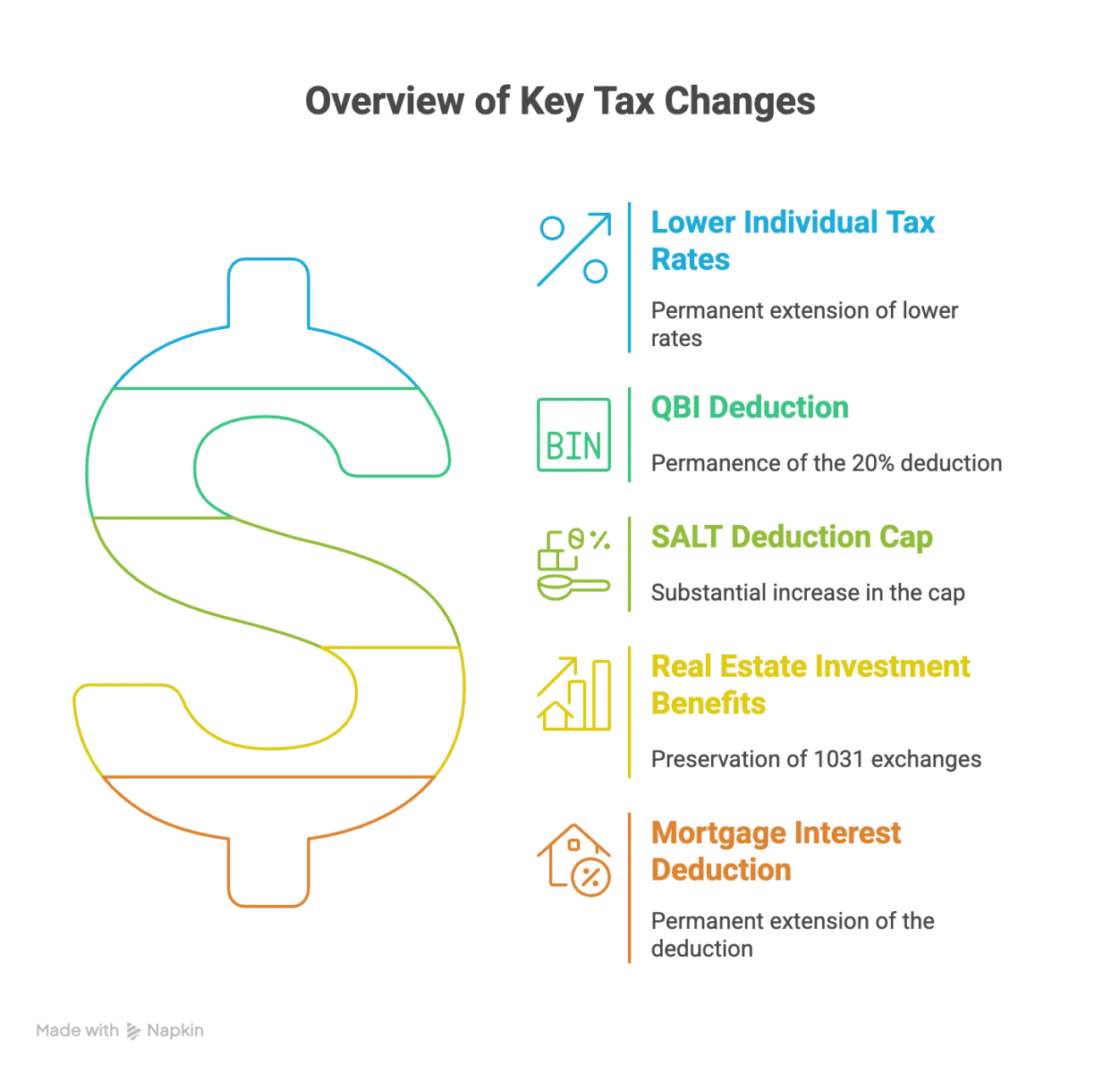
NAR identified five key real estate priorities, and all five made it into the bill:
-
Permanent Lower Tax Rates for Individuals: The tax rates for individuals (and married couples) will stay lower permanently, rather than rising back up. Keeping income tax rates down means you keep more of your paycheck – money that can go toward saving for a down payment or paying your mortgage. (Notably, 86% of voters in a national survey supported maintaining these lower tax rates, underscoring how popular this move is with the public.)
-
20% Qualified Business Income Deduction Made Permanent: If you’re self-employed or a small-business owner (which includes many real estate professionals and investors), the 20% tax deduction on pass-through business income (Section 199A) is now permanent. This helps independent contractors, including many Realtors and property investors, keep more of their earnings – funds you can reinvest in your business or properties.
-
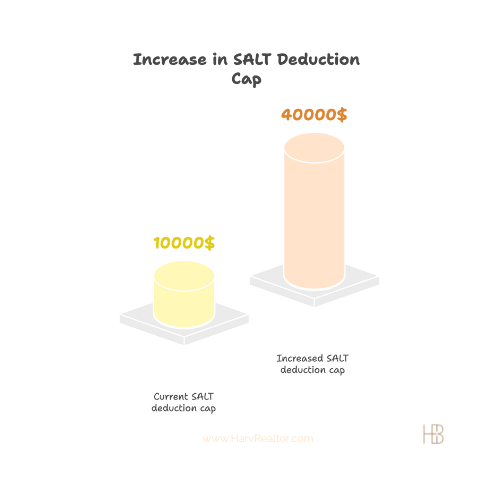
State and Local Tax (SALT) Deduction Cap Quadrupled: This is a huge win, especially for California homeowners. Starting in 2025, the annual cap on state and local tax deductions will jump from $10,000 to $40,000 (quadruple) for a five-year period. In high-tax areas like the Bay Area, property taxes and state income taxes often far exceed the old $10k limit. A higher SALT deduction cap means more of your taxes become deductible again, which could significantly lower tax bills for many homeowners here.
-
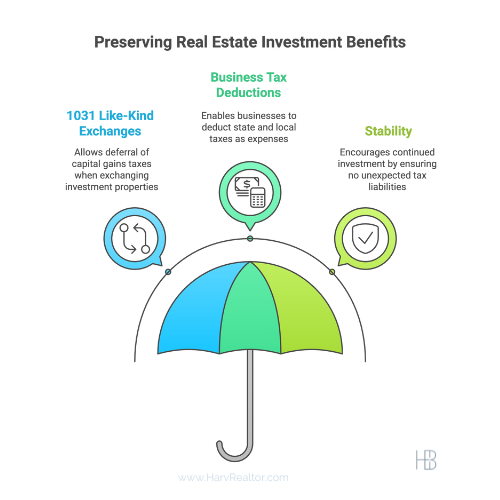
Preserved Real Estate Investment Benefits (1031 Exchanges & Business Deductions): The bill protects 1031 like-kind exchanges and business tax deductions for state/local taxes. In other words, real estate investors can still defer capital gains taxes when swapping investment properties, and businesses can continue to write off state and local taxes as expenses. This stability encourages investors to keep investing in properties without fearing a sudden tax hit.
-
Mortgage Interest Deduction Made Permanent: Homeowners can breathe a sigh of relief – the ability to deduct mortgage interest isn’t going away. This deduction, which was set to expire in a few years, will be extended permanently. It remains an essential tax break that makes homeownership more affordable by letting you deduct the interest you pay on your home loans. (For first-time buyers, this is a key incentive that can save you thousands of dollars over the life of a mortgage.)
These five provisions form the backbone of the bill’s real estate benefits. Together, they support everyone from first-time buyers (who gain more affordability and confidence) to long-time homeowners (who keep their tax advantages) and investors (who retain important tax-deferral tools). As NAR’s Chief Advocacy Officer Shannon McGahn put it, these measures help ensure homeownership remains a cornerstone of building wealth and a strong middle class.
Additional Perks for the Real Estate Sector
Beyond those top five, the tax package includes several other provisions that will boost the real estate market and our broader economy:
-
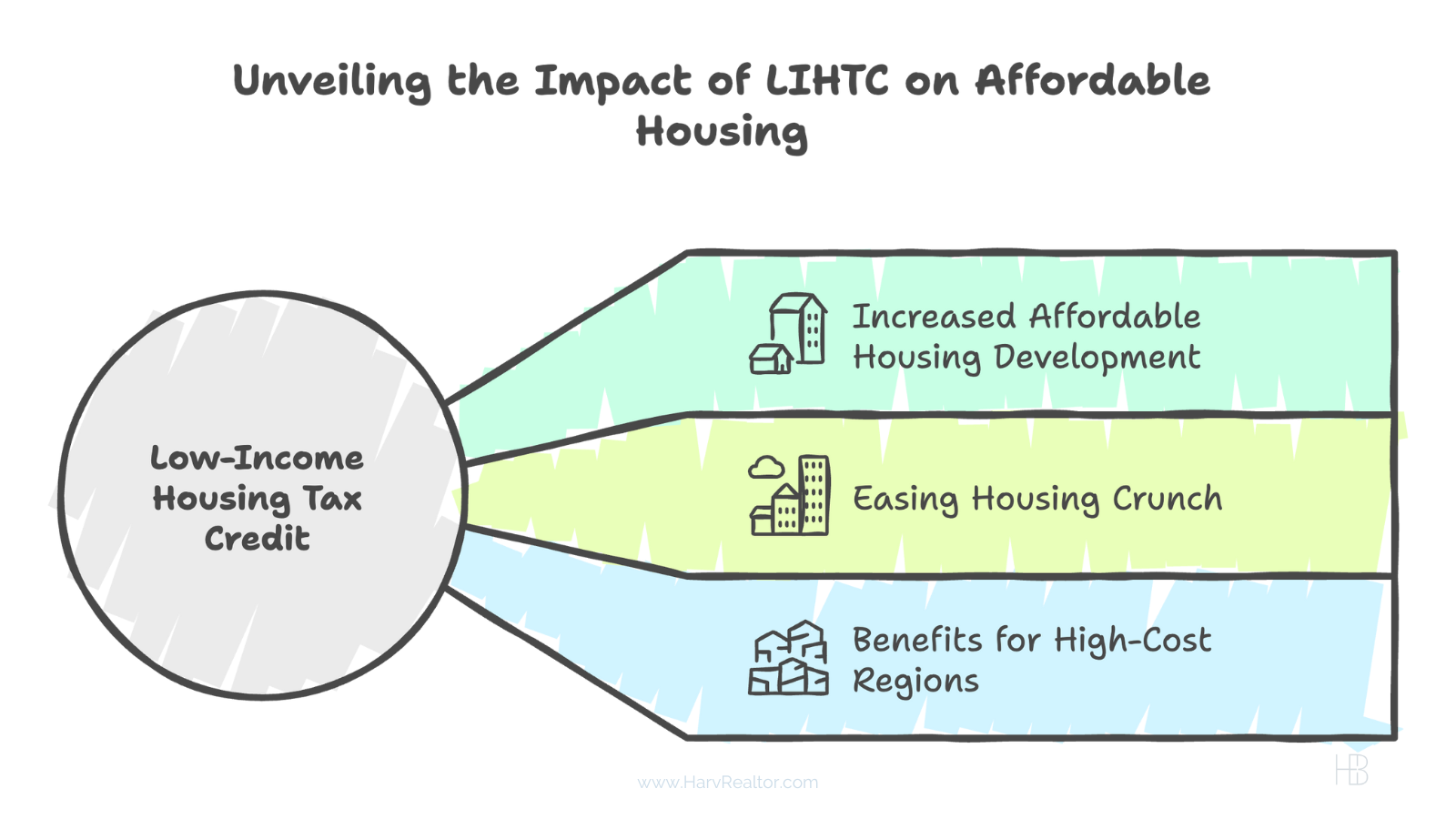
Affordable Housing Boost: The Low-Income Housing Tax Credit (LIHTC) program is strengthened to encourage more development of affordable housing. This could lead to more projects aimed at easing the housing crunch, which is welcome news in high-cost regions like ours where affordable homes are scarce.
-
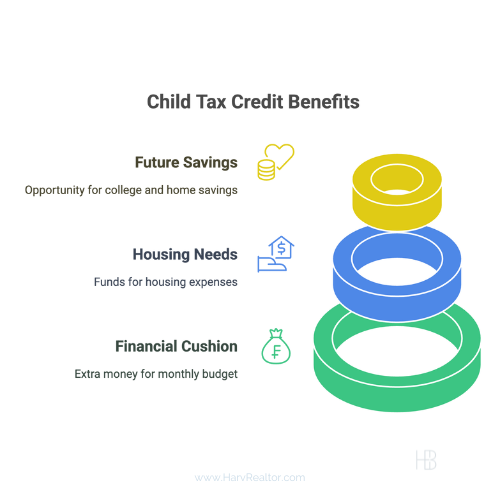
Bigger Child Tax Credit: Families will benefit from a higher child tax credit – now $2,200 per child, indexed to inflation. More money back at tax time can help families with kids save or spend on housing needs (think of it as a little extra cushion for that monthly budget or future college and home savings).
-
High Estate Tax Exemption Kept High: The federal estate and gift tax exemption will be set at $15 million per individual (adjusted for inflation) on a permanent basis For wealthy families in the Bay Area, this means you can pass down property and other assets up to that amount without federal estate taxes. It helps preserve generational wealth, including family homes and investment properties.

-
No Income Tax Hike for Top Earners: A proposed increase of the top individual tax rate to 39.6% was removed from the final bill. The top rate will not go up, staying at the current level. In a high-income region like Silicon Valley and the Bay Area, this matters – keeping top earners’ taxes in check can encourage continued investment in businesses and real estate here.

-
Business Investment Write-Offs Restored: Several business tax breaks are coming back to life, which is good for the economy (and indirectly good for real estate demand). Businesses can again fully expense R&D costs and take bonus depreciation on equipment purchases, and a previous limit on interest expense deductions is fixed. When businesses can grow and invest more freely, it often leads to job growth – and job growth supports a healthy housing market.

-
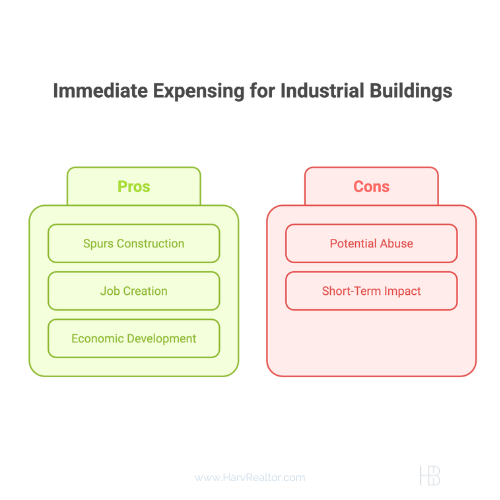
Immediate Expensing for Industrial Buildings: In certain industries (like manufacturing, agriculture, etc.), companies will be allowed to immediately expense the cost of building or improving facilities. This could spur construction of industrial and commercial real estate, creating jobs and revitalizing some areas. It’s a more specialized provision, but a positive one for economic development.
-
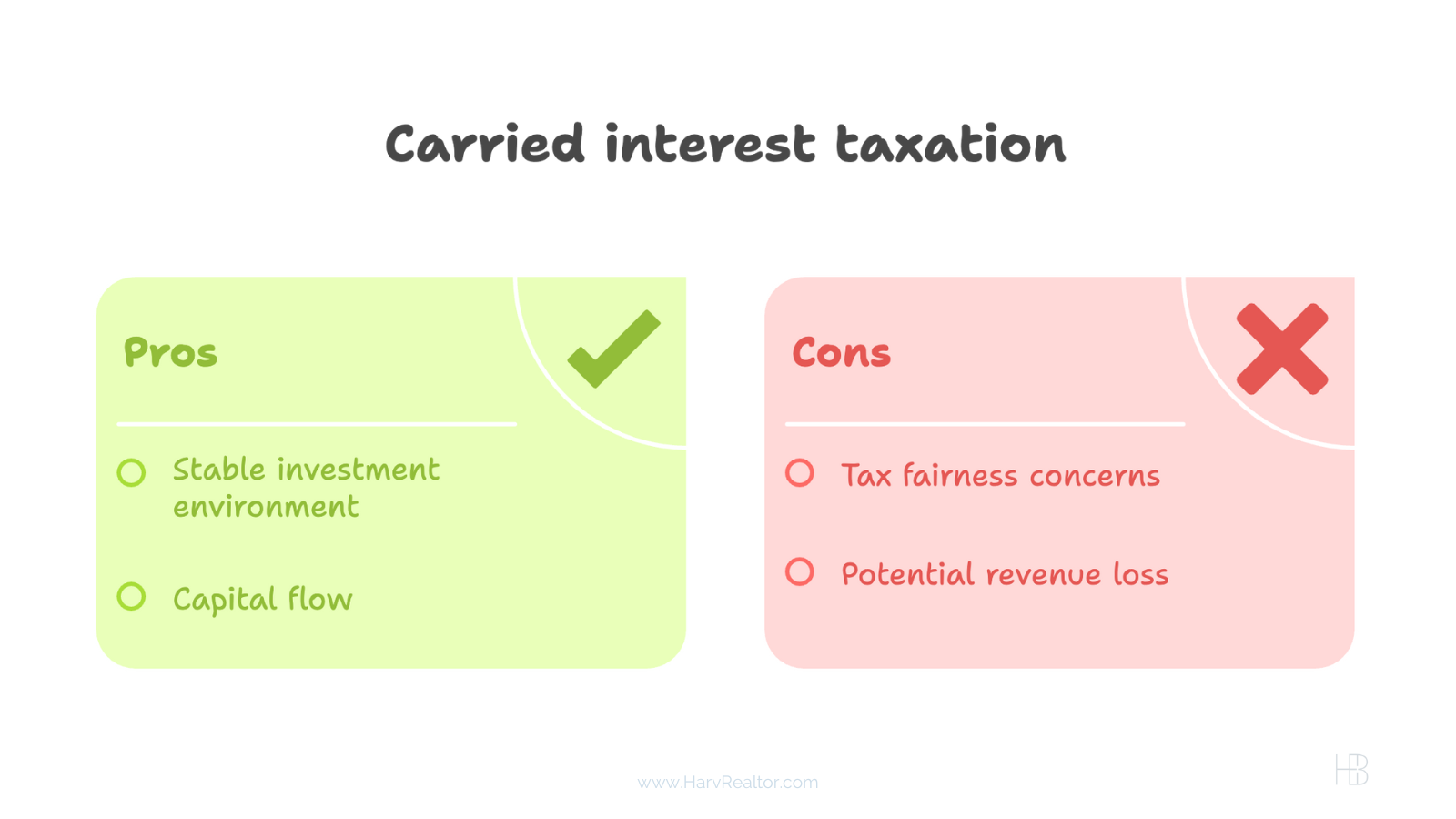
No Change to Carried Interest Rules: For those in real estate private equity or investment funds, the bill leaves carried interest taxation unchanged. This won’t directly affect most homebuyers, but it means the financial environment for large-scale real estate investors remains stable (no new taxes on their profit share), which can keep capital flowing into real estate projects.
-
Opportunity Zones Extended: The Opportunity Zone program – which offers tax incentives for investing in designated underserved areas – is being renewed and even sweetened with better incentives. This could drive more investment and development in certain communities (including some parts of California that qualify as Opportunity Zones). Revitalizing these areas can create new housing and business opportunities, benefitting surrounding property values over time.

-
“Baby Bonds” for Future Home Buyers: One especially forward-looking idea in the bill is the creation of so-called baby bonds. Every child born after the law is enacted will receive a one-time $1,000 government investment bond. If left untouched to grow over the years, that bond could turn into a substantial sum by the time that child reaches adulthood – potentially providing seed money for their first home purchase when they grow up. (Helping young adults afford a down payment someday has been a long-time dream of NAR and many in the housing industry.)

As you can see, this tax legislation casts a wide net – offering immediate benefits to current homeowners and buyers, and planting seeds for future generations of homeowners. It’s not often we see a tax bill so tuned in to the needs of the real estate sector, and it happened largely thanks to persistent advocacy from the REALTOR® community. NAR’s efforts, backed by research and strong public support, ensured that lawmakers recognized the importance of homeownership in America.
What It Means for Bay Area Homeowners and Buyers
So, what’s the bottom line for us here in the Bay Area?
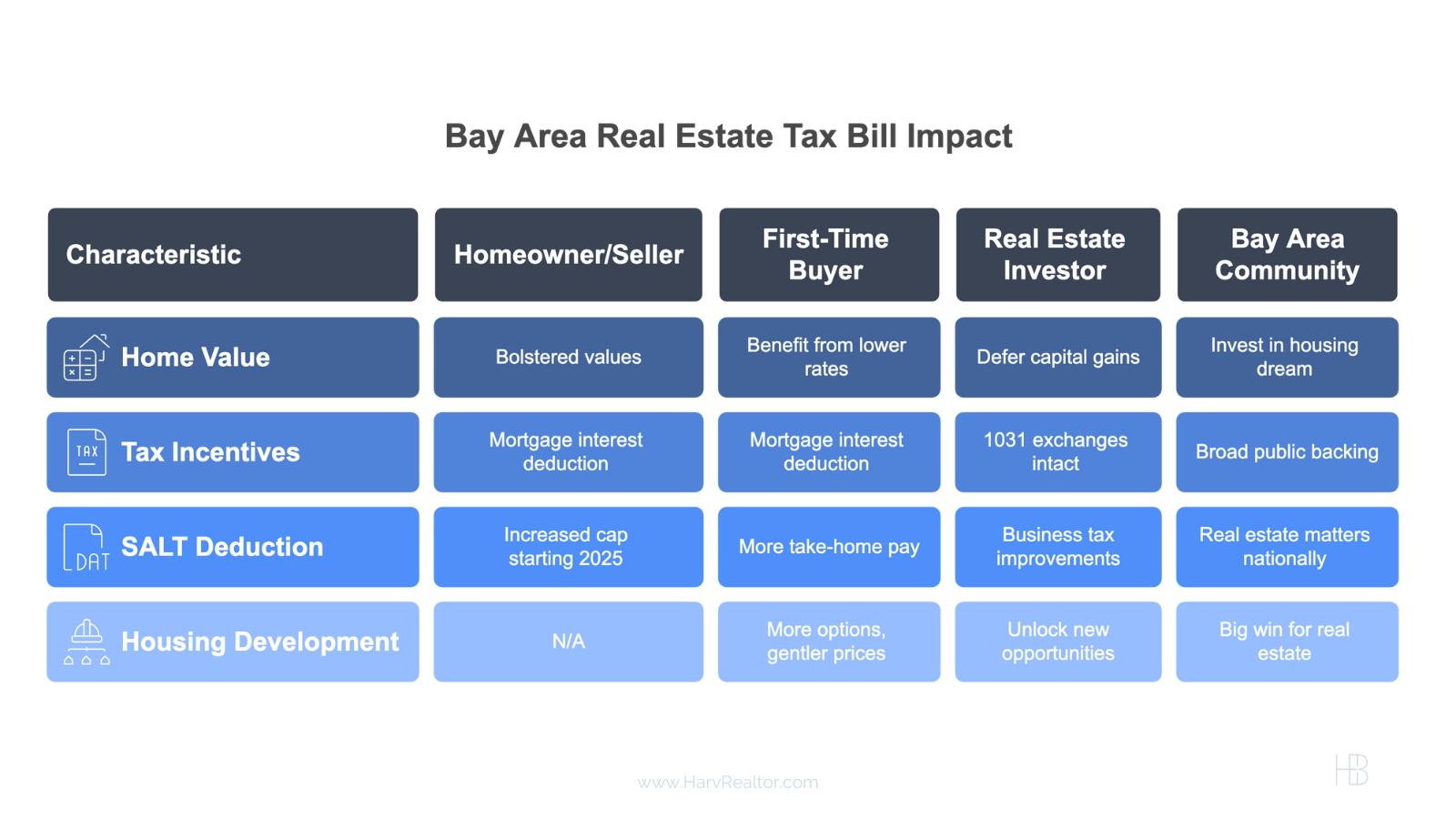
If you’re a homeowner or seller, these changes should bolster home values and buyer confidence. Key tax incentives like the mortgage interest deduction aren’t going away, which keeps owning a home attractive. Plus, the big increase in the SALT deduction cap starting in 2025 will be a relief – you’ll be able to write off much more of those hefty California property taxes and state income taxes. That effectively lowers the cost of owning a home in high-tax areas and could put money back in your pocket.
If you’re a first-time homebuyer, the landscape is looking friendlier. You’ll benefit from the permanent lower tax rates (leaving you more take-home pay for savings or mortgage payments), and when you do buy, you can count on tax perks like the mortgage interest deduction to help with affordability. Over time, increased housing development spurred by provisions like the LIHTC could also mean more options and possibly gentler price growth in the entry-level market. Every bit helps in our pricey market.
If you’re a real estate investor, you’ve dodged some bullets and gained certainty. 1031 exchanges remain intact, so you can continue to defer capital gains when you trade properties – a popular strategy for building wealth through real estate. Business-related tax improvements and the extension of Opportunity Zones may unlock new investment opportunities and make projects more financially viable. All told, the tax environment will encourage investment rather than hinder it.
Finally, for all of us in the Bay Area real estate community, this legislation is a reminder that homeownership and real estate truly matter at the national level. Nearly one-fifth of the U.S. economy is tied to real estate, and policymakers have clearly chosen to invest in the housing dream. There’s broad public backing for homeownership incentives – surveys found over 90% of Americans support preserving things like the mortgage interest deduction and first-time buyer savings programs. It’s encouraging to see that our voices were heard in Washington.
In summary, the new tax bill delivers a host of benefits for homeowners, buyers, and investors. It reinforces the financial advantages of owning real estate and should provide a boost in confidence for anyone looking to enter or continue in the housing market. We’ll keep an eye on the House’s final approval and the rollout of these provisions. But for now, it’s safe to say this is a big win for real estate.
Find your Dream Home - Search By Cities
Have questions about how these tax changes might affect your plans? Feel free to reach out – as always, I’m here to help my fellow Bay Area neighbors navigate the evolving real estate landscape!
Sources: National Association of REALTORS® (NAR)
Disclaimer: The information provided in this blog is for general informational purposes only and is not intended as legal, financial, or tax advice. While every effort has been made to ensure the accuracy of the content at the time of publication, laws and regulations are subject to change. Readers are encouraged to consult with a qualified attorney, housing counselor, or financial advisor for advice specific to their situation. As a licensed Realtor®, I am here to assist with real estate matters, but I do not provide legal services.