


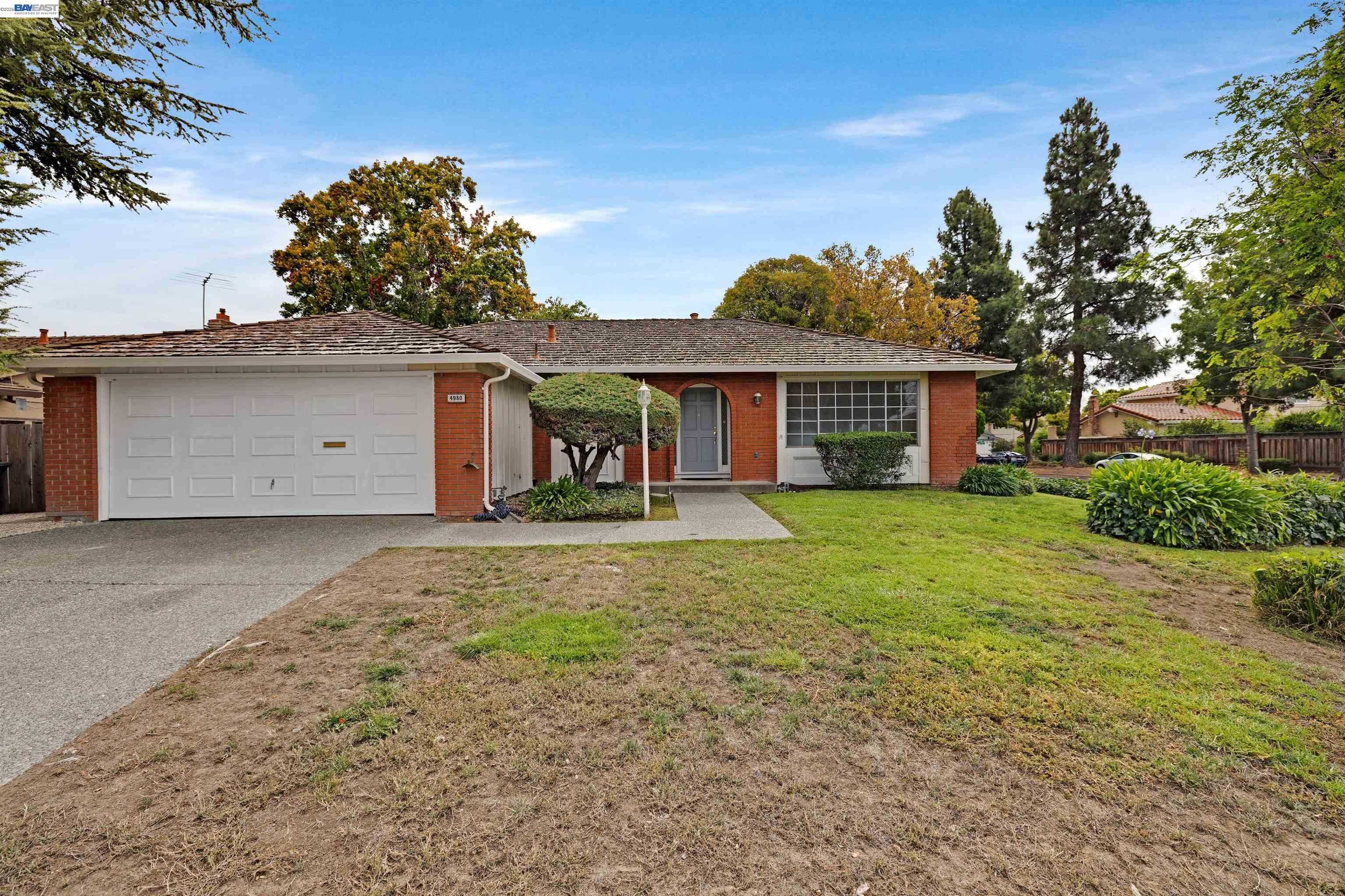


How First-Time Buyers Can Finally Afford a Home in 2026: 5 Game-Changing Trends

REALTOR®, GRI, CIPS, PSA, FTBS
First time buyers in 2026
How First Time Buyers Can Finally Afford a Home in 2026: 5 Game Changing Trends
High costs pushed many first time buyers out of the market in 2025. In 2026, a mix of creative financing, builder incentives, and shifting market dynamics is starting to open up new pathways. Conditions are still tough, but they are beginning to tilt in a more workable direction if you know which levers to pull.
Down payments that are not 20 percent
ARMs as a short term tool
Builder incentives and smaller homes
Grants for down payment and closing
Shopping lenders to save big money
Quick takeawaysPlain English
- Low down payment loans exist, but extra cash often improves your odds.
- ARMs can reduce early payments if your timeline is shorter and you have a plan.
- Builders are using incentives and smaller homes to meet buyers closer to budget.
- Grant money can help, but you usually have to ask early and qualify.
- Comparing lenders can materially change your payment and long term cost.
If you want, I can run a quick payment scenario for your target city and price range.
Start hereFirst 3 moves
Credit plan
Boost the score
Down payment plan
Pick a target
Lender list
Get 3 quotes
Assistance check
Ask about grants
Fast linksOne tap
Overview
Why 2026 may feel more workable for first time buyers, even if the market is still tough.
If you were a first time homebuyer trying to break into the market in 2025, you probably felt pretty frustrated. Home prices kept climbing, mortgage rates spiked into the 7 percent range, and the share of homes bought by first timers dropped to a record low of just 21 percent. Many would be buyers ended up sitting on the sidelines amid sky high rents and lingering student loans. It was enough to make the American dream of homeownership feel out of reach. “They have strong demand for the American dream of homeownership, but they’re really just feeling left behind right now,” observed Jessica Lautz of the National Association of REALTORS®, summing up how a lot of young buyers felt last year.
High costs pushed many first timers out of the market in 2025, but 2026 brings a fresh sense of hope. Beyond the discouraging headlines, a different story is quietly taking shape for the new year. A mix of creative financing tricks, builder incentives, and shifting market dynamics are starting to open up new pathways for first time buyers. Conditions are still tough, but they are beginning to tilt in a more favorable direction.
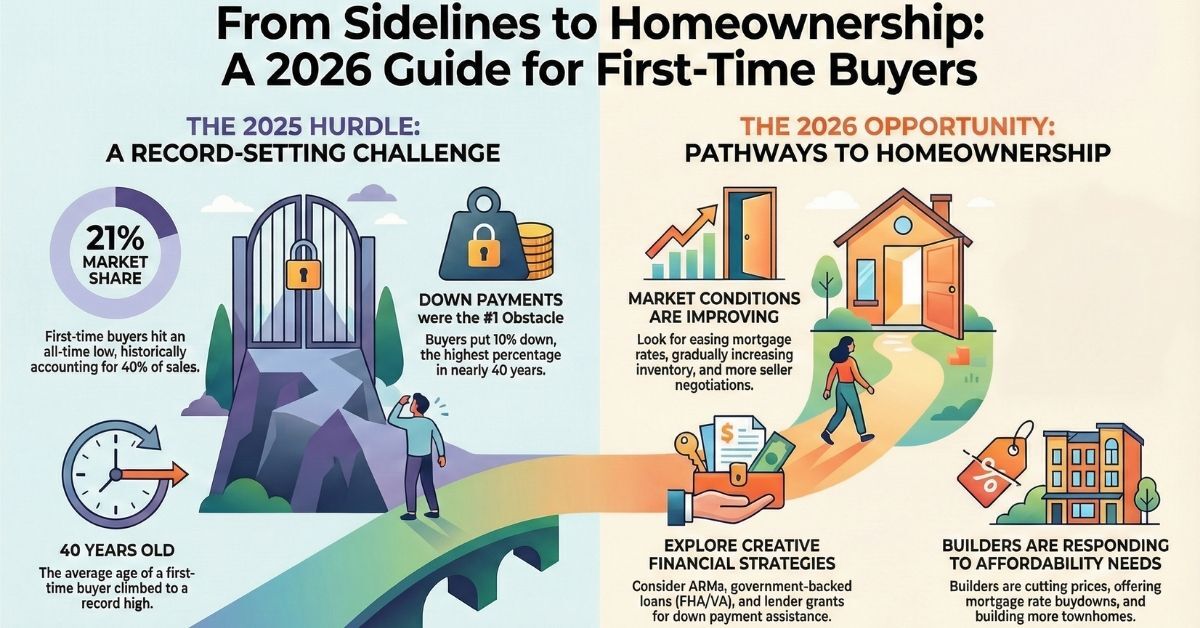
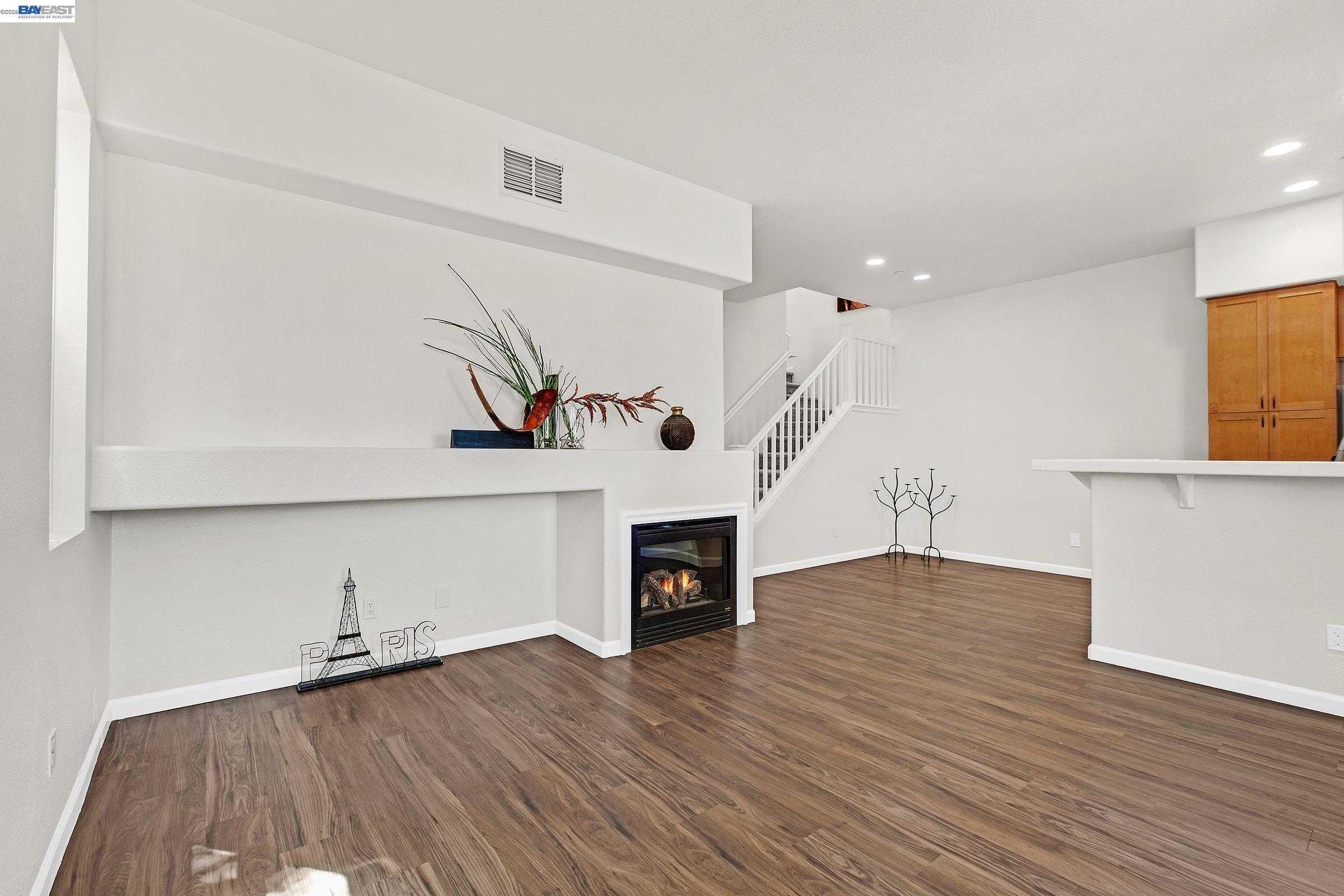
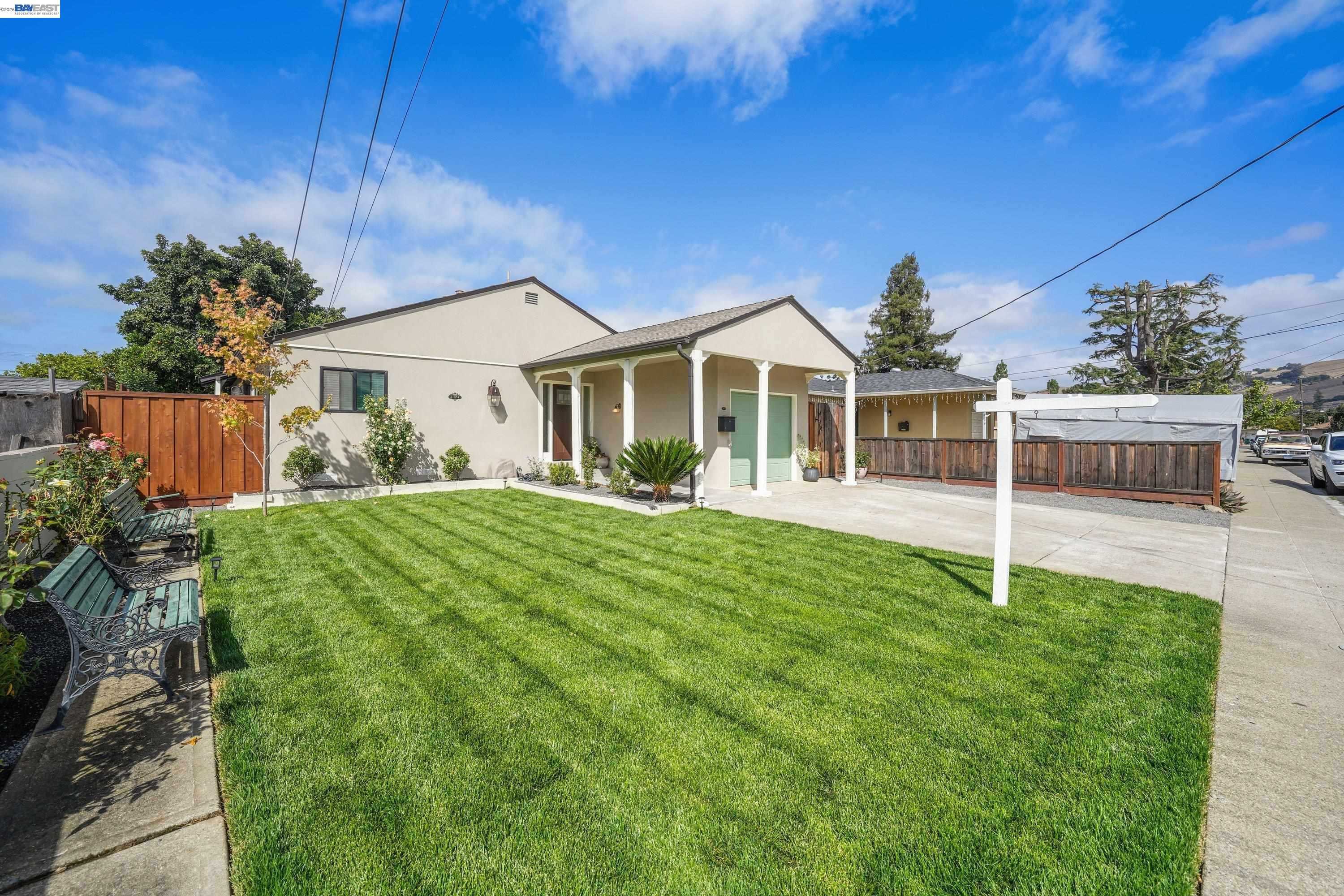
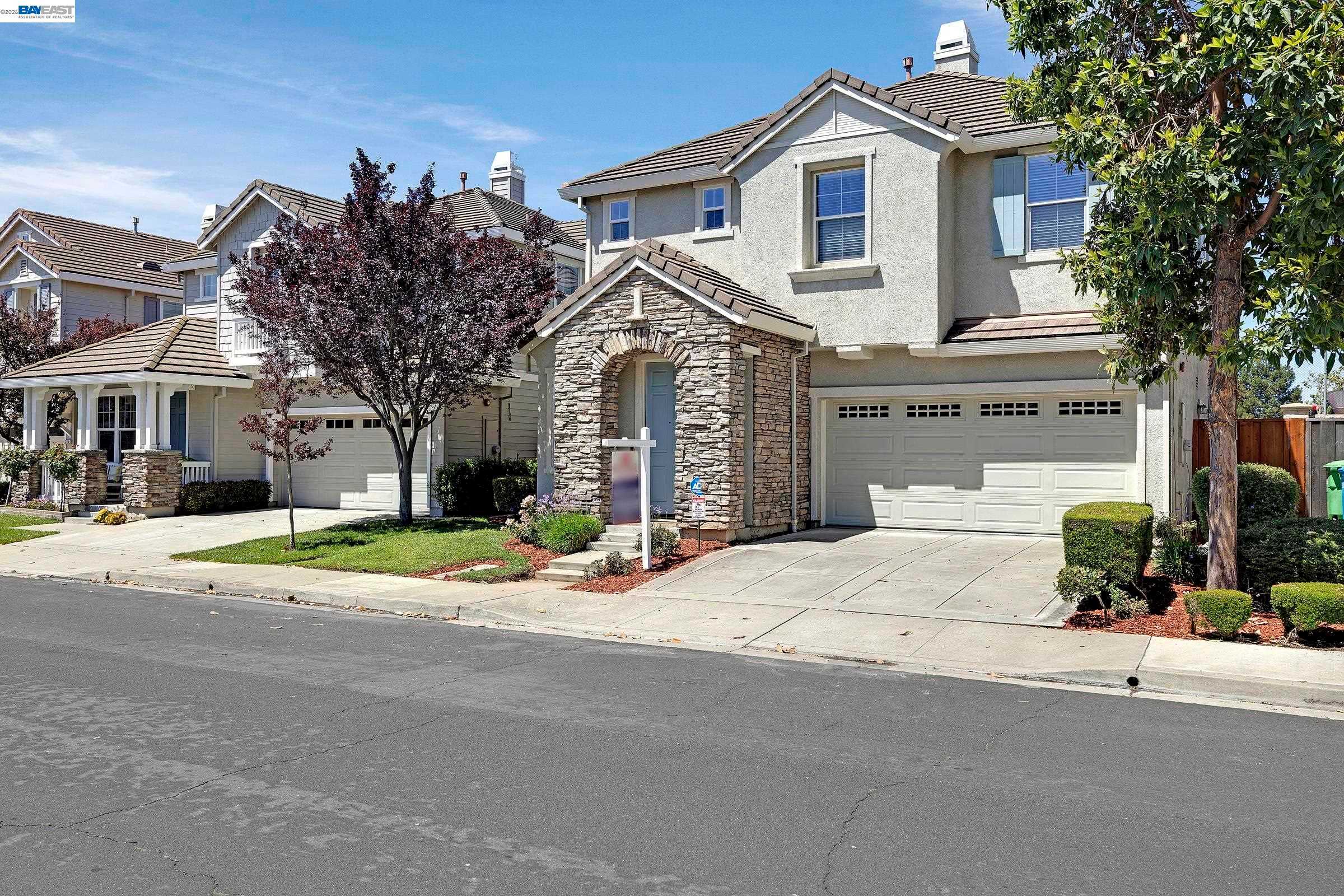
Image: a quick visual guide to the first time buyer path
Here are five surprising realities that might change your perspective on whether you can finally make the math work and buy your first home in 2026.
Five game changing trends
These are the levers that can change affordability for first time buyers in 2026.
1. The down payment paradox
One of the biggest myths in real estate is that you need a 20 percent down payment to buy a home. The truth is, you can often get a mortgage with a lot less. Conventional loans can require as little as 3 percent down, FHA loans about 3.5 percent, and some VA or USDA loans even allow 0 percent down for those who qualify. In other words, the barrier to entry is much lower than most people think. You do not need 20 percent upfront to get a mortgage approval.
Here is the paradox. While you technically do not need a huge down payment, the first time buyers who succeeded in purchasing a home recently were often the ones who managed to put more money down. First time buyers last year put down an average of 10 percent, the highest level in nearly 40 years. Many have gotten creative with their finances. Personal savings is still the main source, but about a quarter tapped into other assets like a 401(k), IRA, or stocks, and 22 percent received a gift or loan from family or friends.
Practical takeaway
You can start with a low down payment path, but it helps to build a plan for additional cash. That can mean a savings plan, a gift strategy, or negotiating seller credits where allowed and appropriate.
2. Adjustable rate mortgages are back
Adjustable rate mortgages are back in the toolkit for more first time buyers. ARMs offer a lower initial interest rate for a set period before the rate adjusts, which can make monthly payments more affordable in those early years. Lately, a noticeable chunk of buyers have been opting for ARMs. Roughly 10 percent of Bank of America’s recent loan volume has come from adjustable rate loans, the highest share since 2023. Chase is seeing a similar pattern.
For some buyers, an ARM is a stepping stone into homeownership when fixed rates are high. “An ARM can make sense for many first time homebuyers, especially those who expect to stay in the home for only a short time,” explains Shelley Jonietz of Chase. The key is having a plan. After the initial period, the rate will adjust, so you need an exit strategy such as refinancing or moving before the reset.
Practical takeaway
An ARM is not a set it and forget it option. Use it only if you have a clear plan for the adjustment period, including budget buffers and refinance timing.

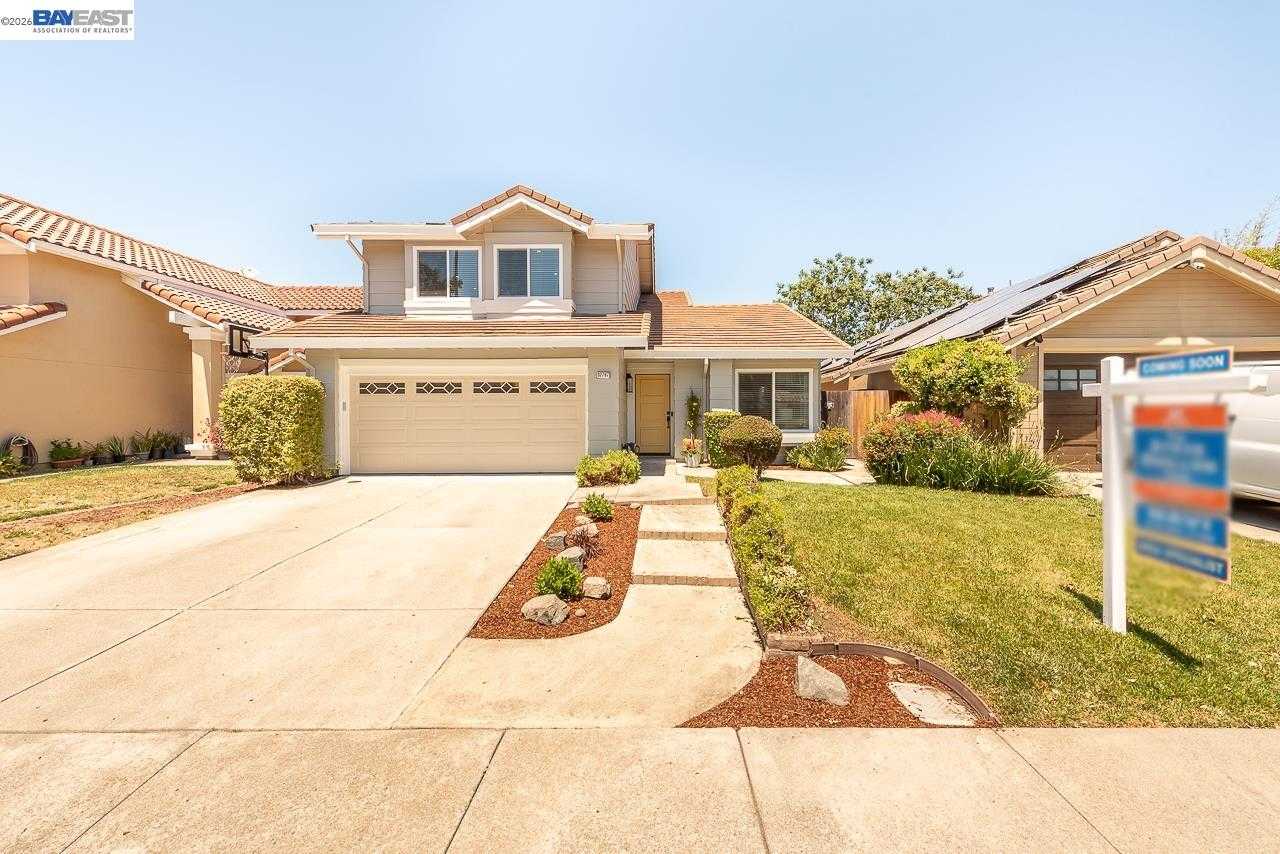
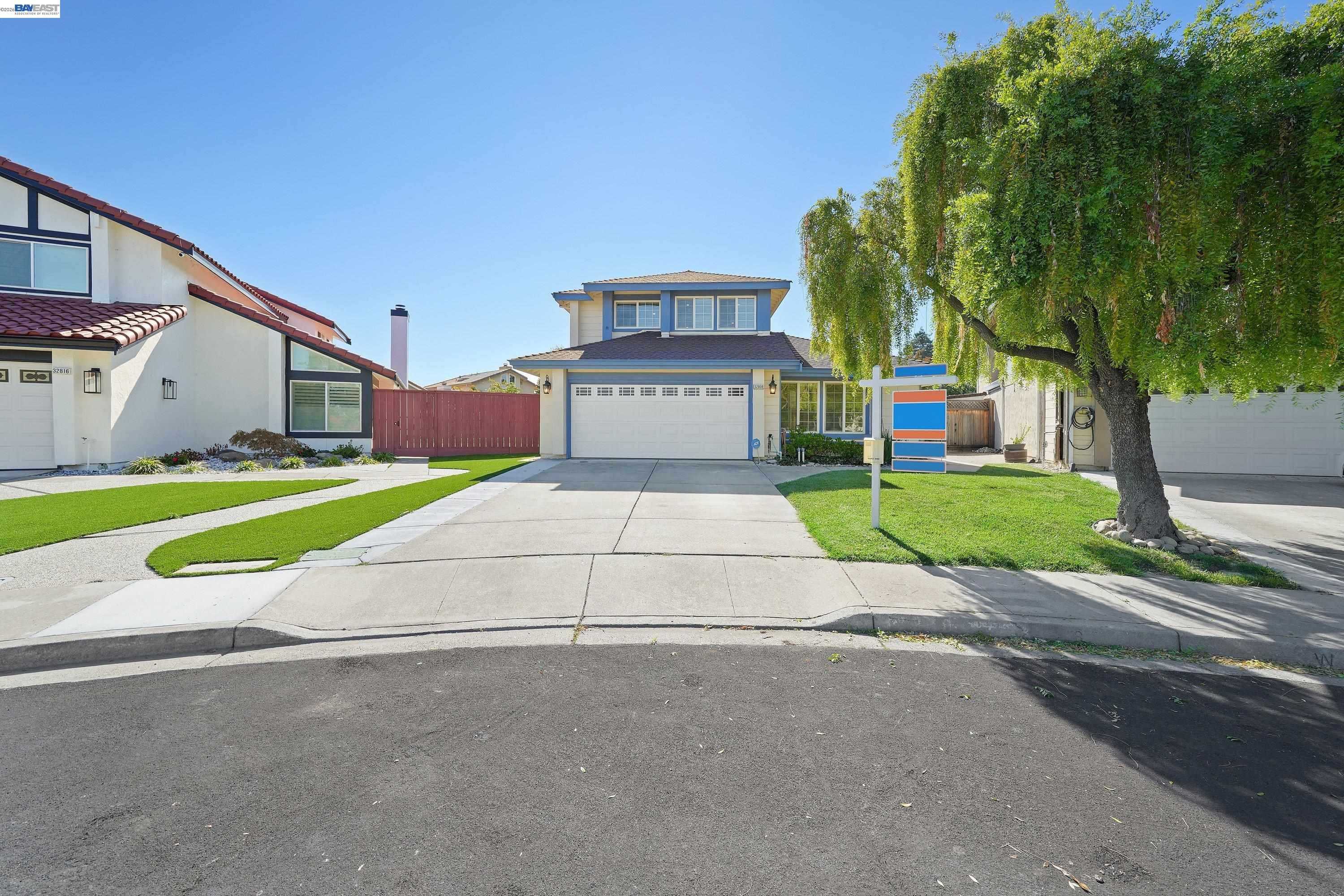
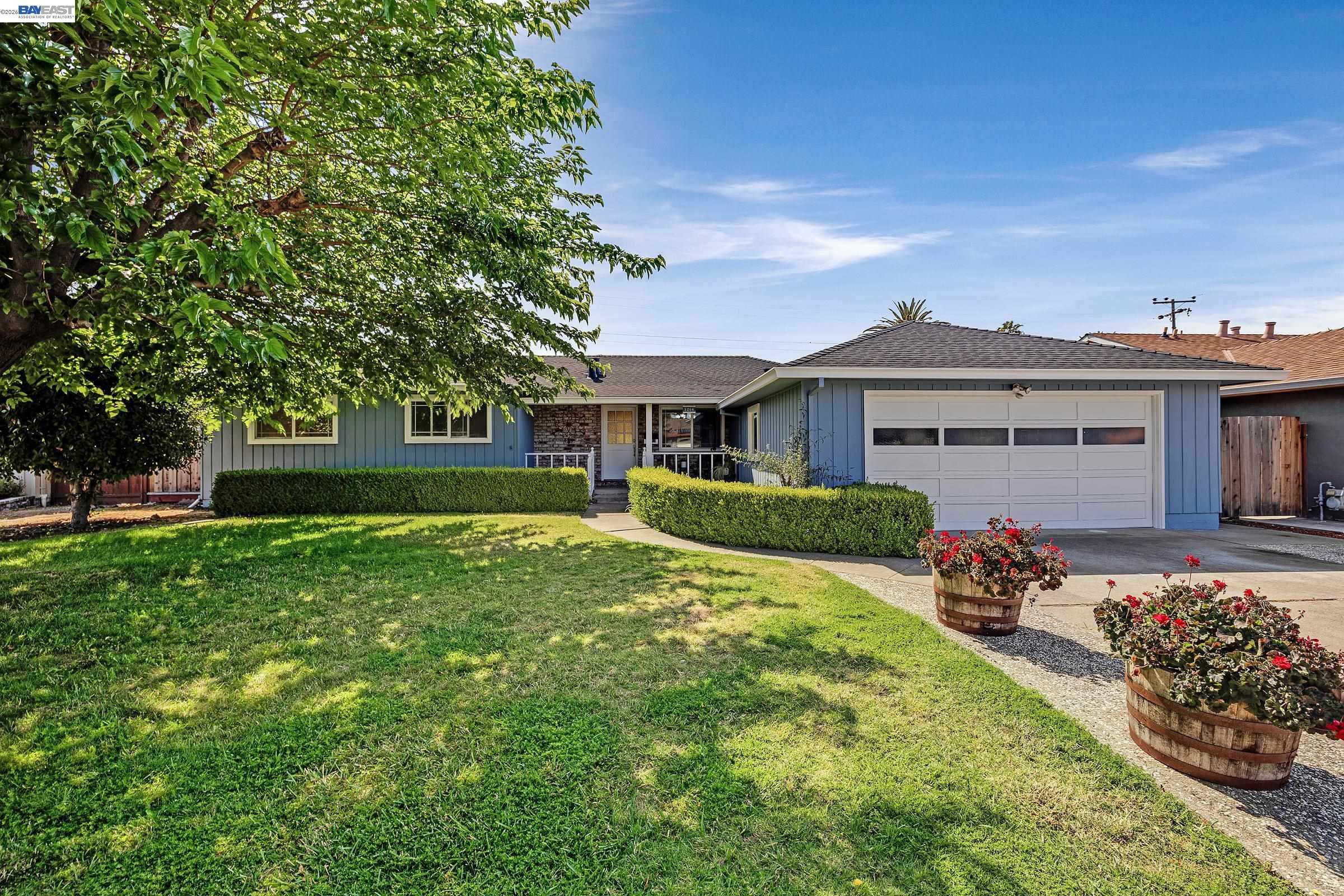
Image: another helpful visual to keep the planning steps simple
3. Builders are cutting prices and building smaller homes
Home builders have heard the affordability complaints, and many are responding. About 40 percent of builders have reduced prices on new homes, with typical reductions around 5 percent. On top of that, roughly two thirds of builders are offering incentives like covering closing costs or buying down the mortgage rate for the first couple of years.
Builders are also constructing smaller, more affordable homes, particularly townhouses. Townhomes now make up about 18 percent of new single family construction, up from under 10 percent a decade ago. “That’s a way to get particularly younger households into the dream of American homeownership,” notes Robert Dietz of the National Association of Home Builders.
Practical takeaway
Do not skip new construction by default. In some cases, incentives can change the monthly payment enough to make a new home competitive with resale options.
4. Grant money exists, but you have to ask
Big banks and other lenders have rolled out programs that give qualified first time buyers money for down payments and closing costs. These are typically grants, not loans, meaning you usually do not repay them if you meet the rules.
Bank of America, for example, offers a down payment grant equal to 3 percent of the purchase price up to $10,000, plus up to $7,500 more that can be used toward closing costs or even a rate buydown. Chase offers a Homebuyer Grant program that provides up to $5,000 toward purchase costs in eligible communities, and low down payment options like DreaMaker. “There are a number of programs that many prospective homeowners don’t know about,” says Matt Vernon of Bank of America.
Practical takeaway
Talk to lenders early and ask directly about first time buyer grants, community programs, and closing cost help in your target areas. This is one of the highest payoff questions you can ask.
5. Shopping your mortgage could save you $80,000
This one is simple and often overlooked. Protect your credit score and shop your loan with multiple lenders. The difference can be staggering. One analysis showed a borrower with a 760 score might qualify around 6.24 percent, while a borrower in the low 600s could see something closer to 7.83 percent. That difference adds up over time.
Beyond credit, comparison shopping is where you find leverage. Borrowers who compare at least three lenders can save about $80,000 over the life of a 30 year loan on average, roughly $222 less per month. Even a quarter point difference can matter.

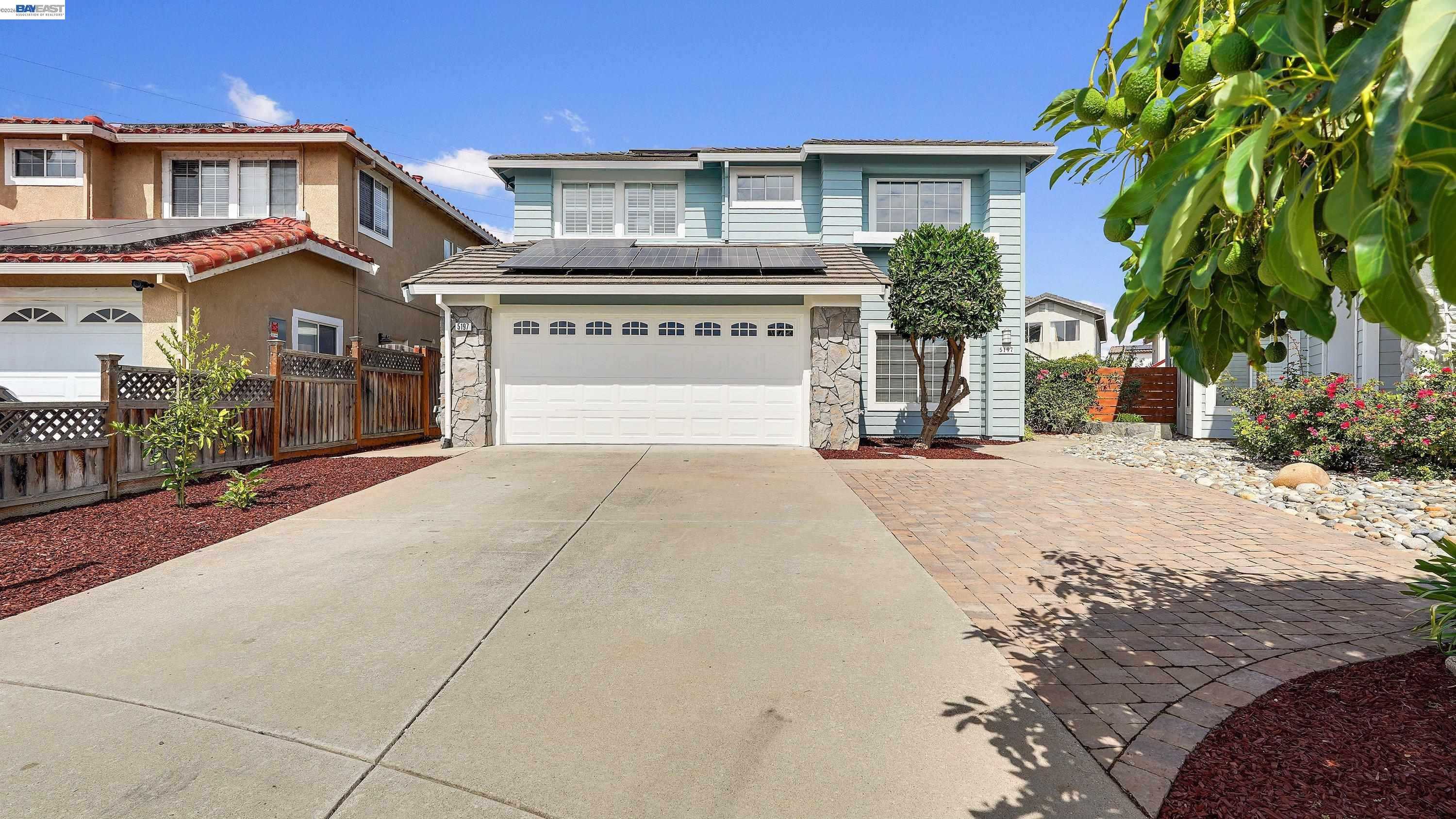
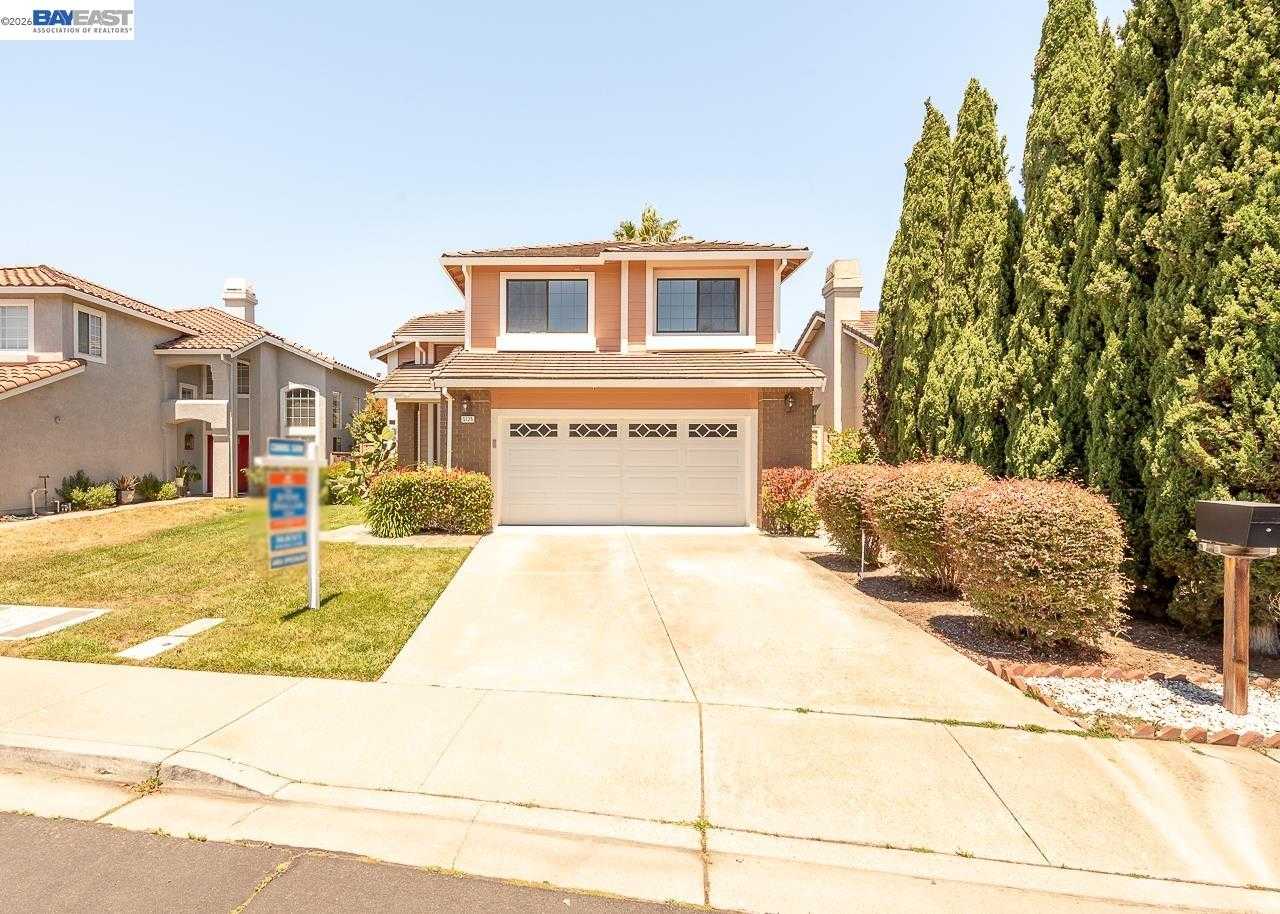
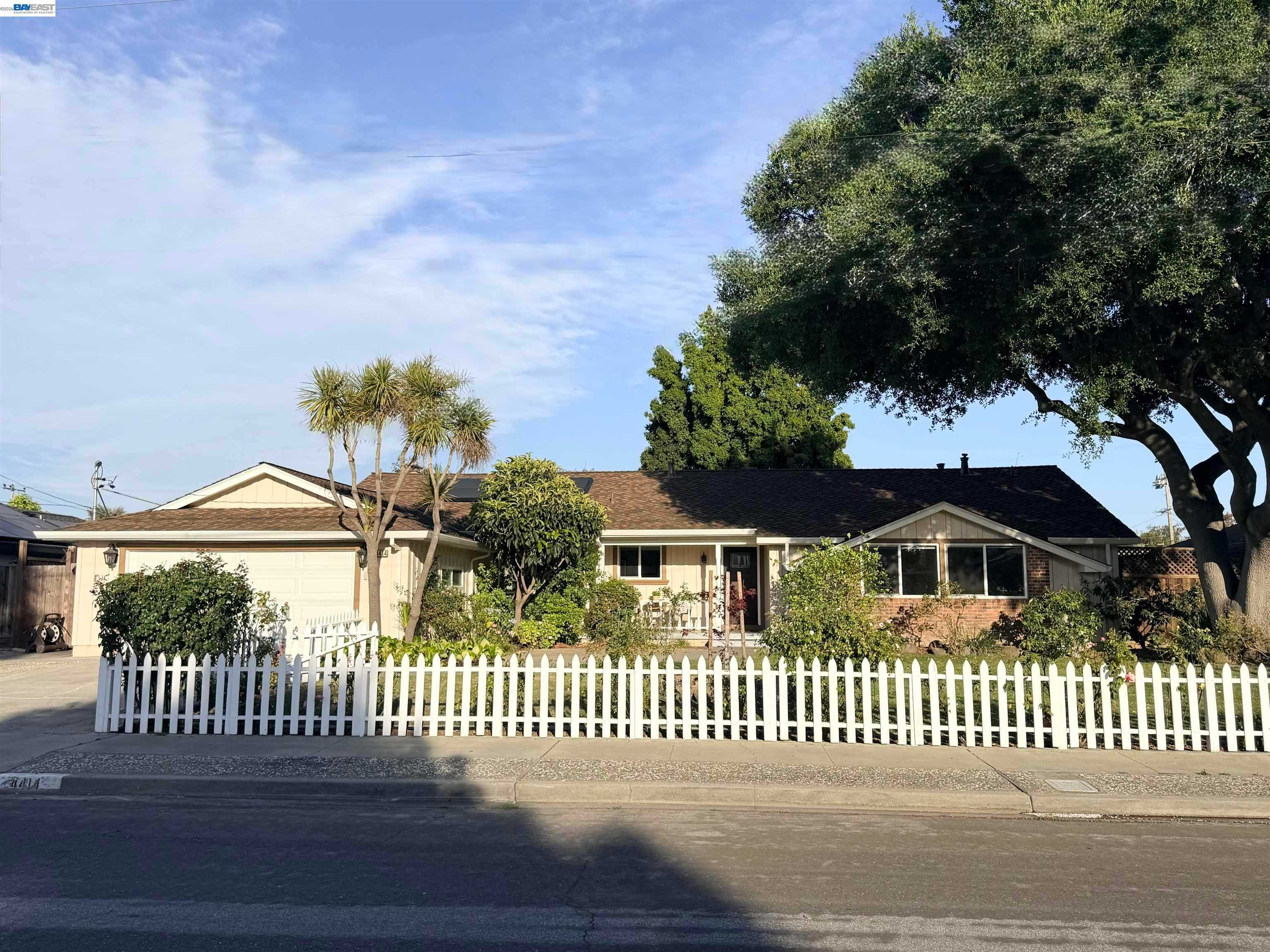
Image: a reminder that strategy plus shopping can change the numbers
Practical takeaway
Get at least three Loan Estimates in a short window so inquiries are grouped. Then compare rate, points, lender fees, and program details. Focus on your monthly payment and total cost, not just the headline rate.
The Bay Area lens
How to apply these ideas locally in Fremont, Newark, Union City, Hayward, Milpitas, San Jose, and nearby cities.
Competition is local
In the Bay Area, your experience will depend on price range and neighborhood. Even in a softer moment, the best homes that show well can still get fast attention. That is why preparation matters more than predictions.
If you are targeting a tight school area or a low inventory neighborhood, your plan should include strong financing, clean documentation, and a realistic payment comfort range.
Monthly payment is the real decision
In higher price markets, monthly payment is usually the limit, not the list price. Taxes, insurance, HOA dues, and commute preferences all shape what feels comfortable.
When you run scenarios across different loan types, down payments, and incentives, you stop guessing. You start negotiating with confidence.
Conclusion
Will 2026 be the year you finally get the keys
The housing market is still challenging, but there is a growing sense of hope for first time buyers heading into 2026. Mortgage rates are projected to ease back toward the 6 percent range, inventory is slowly ticking up, and sellers are becoming more realistic and willing to negotiate on price and terms.
We are not expecting a miraculous drop in home prices or a return to 3 percent rates. But even small improvements in affordability can open the door for those who have been waiting. As Jessica Lautz noted, slightly improved conditions “do mean an opportunity for first time home buyers”. The question is whether you will be ready to take advantage with a plan, a lender strategy, and a clear monthly payment comfort range.
If you want, send your target city, price range, and down payment goal. I will map a realistic path with clear next steps for your situation.
Sources
Reference list from the article draft you provided
- National Association of REALTORS®
- REALTOR® Magazine
- LendingTree analysis
- Bank of America and Chase Home Lending program information
- Inman News
- NAR research data
Helpful tools
Quick calculators to help you plan with confidence.
Mortgage calculator
Estimate principal and interest with different rates and down payment options.
Closing cost calculator
Get a rough plan for one time costs at closing.
Property tax calculator
Estimate annual property taxes and understand what can change them over time.
Explore Bay Area city guide
Browse neighborhood and city guides across the East Bay and South Bay.
Talk to Harv
If you want a first time buyer plan tailored to your city and budget, I will map it out with clear next steps.
Harv Balu
REALTOR®, GRI, CIPS, PSA, FTBS
Serving the Bay Area
Fair Housing reminder: real estate services are provided without discrimination. Guidance is based on property features, budget, and your stated needs, never on protected characteristics.
What I will send you
A quick local snapshot for first time buyers, including payment scenarios, inventory notes, and a practical offer plan.
- Payment scenarios across loan types and down payment options
- A lender and assistance checklist to ask the right questions early
- Neighborhood specific strategy based on your target city and budget